
Quality Control in CAR-T Cell Therapy: A Comprehensive Workflow
Ensuring Safety and Efficacy Through Rigorous Tools, Techniques, and GMP Compliance
Key Highlights of CAR-T Cell Therapy Quality Control
- GMP Compliance: Adhering to Good Manufacturing Practices (GMP) is crucial throughout the CAR-T cell manufacturing process to guarantee product safety, consistency, and quality.
- Comprehensive Assays: A variety of assays, including flow cytometry, are employed to assess CAR-T cell identity, potency, purity, and safety at different stages of production.
- Documentation and Traceability: Meticulous documentation and traceability are essential for maintaining quality control, complying with regulatory requirements, and ensuring the reproducibility of CAR-T cell therapy.
Introduction to CAR-T Cell Therapy and Quality Control
Chimeric antigen receptor (CAR) T-cell therapy is a groundbreaking form of immunotherapy that leverages the patient's own T cells to fight cancer. T cells are genetically modified to express CARs, which recognize specific antigens on tumor cells, enabling the T cells to target and destroy cancer cells effectively. Adoptive cell therapy using CAR-T cells has shown remarkable outcomes, particularly in treating certain hematologic malignancies. However, the complexity of CAR-T cell manufacturing necessitates stringent quality control (QC) measures to ensure the safety, efficacy, and consistency of the final product.
 CAR-T cell therapy is a groundbreaking cancer treatment.
CAR-T cell therapy involves several critical steps, each requiring careful monitoring and control:
- Leukapheresis: Collection of T cells from the patient's blood.
- T Cell Isolation and Activation: Separating and activating T cells from the collected sample.
- Genetic Modification: Introducing the CAR gene into the T cells using a viral vector.
- Expansion: Growing the CAR-T cells in the laboratory to obtain a sufficient number for treatment.
- Formulation: Preparing the CAR-T cells for infusion back into the patient.
- Infusion: Administering the CAR-T cells to the patient.
Quality control in CAR-T cell manufacturing involves inspecting materials, process control, and finished products.
Tools and Techniques for CAR-T Cell Therapy Quality Control
A variety of tools and techniques are employed to ensure the quality of CAR-T cells throughout the manufacturing process. These include:
Flow Cytometry
Flow cytometry is a crucial technique for characterizing and quantifying CAR-T cells. It allows for the assessment of cell surface markers, intracellular proteins, and the overall phenotype of the cells. Flow cytometry is used to determine transduction efficiency, CAR expression levels, and the presence of specific T cell subsets.
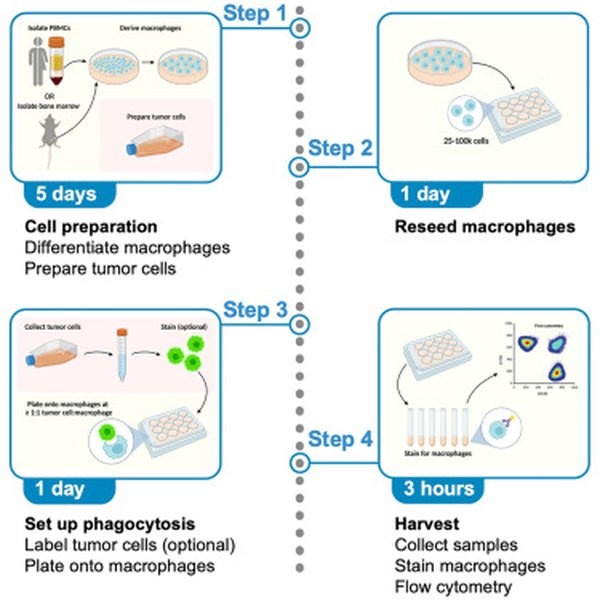 Flow cytometry is essential for CAR-T cell characterization.
qPCR (Quantitative Polymerase Chain Reaction)
qPCR is used to measure the vector copy number in CAR-T cells, which indicates the number of CAR gene copies integrated into the T cell genome. This is a critical safety parameter to ensure that the cells are not over-transduced, which could lead to insertional mutagenesis.
Cell Counting and Viability Assays
Accurate cell counting and viability assessment are essential at various stages of the manufacturing process to ensure sufficient cell numbers and viability for effective therapy. Automated cell counters and viability assays provide rapid and accurate measurements.
Cytokine Release Assays
These assays measure the ability of CAR-T cells to release cytokines, such as interferon-gamma (IFN-γ) and interleukin-2 (IL-2), upon encountering target cells. Cytokine release is an indicator of CAR-T cell activation and effector function.
Cytotoxicity Assays
Cytotoxicity assays assess the ability of CAR-T cells to kill target cells in vitro. These assays measure the percentage of target cells that are lysed by CAR-T cells, providing a direct measure of CAR-T cell efficacy.
Sterility Testing
Sterility testing is performed to ensure that the CAR-T cell product is free from microbial contamination. This includes testing for bacteria, fungi, and mycoplasma. Stringent sterility controls are essential to prevent infections in patients receiving CAR-T cell therapy.
Endotoxin Testing
Endotoxin testing is conducted to detect the presence of endotoxins, which are toxic substances released from bacteria. Endotoxins can cause severe inflammatory reactions in patients, so their presence in the CAR-T cell product must be carefully monitored and controlled.
Mycoplasma Testing
Mycoplasma contamination is a significant concern in cell culture. Mycoplasma are small bacteria that lack a cell wall and can be difficult to detect. Mycoplasma testing is performed to ensure that the CAR-T cell product is free from mycoplasma contamination.
Phenotyping
Phenotyping to ensure cellular identity and function.
Other Quality Control Assays
- Identity testing: To confirm the CAR-T cells are what they are supposed to be.
- Potency testing: To determine the CAR-T cells effectiveness.
- Purity testing: To ensure the CAR-T product is pure.
- Dosage testing: To maintain the correct and safe dosage.
GMP (Good Manufacturing Practices) in CAR-T Cell Therapy
Good Manufacturing Practices (GMP) are a set of guidelines and regulations that ensure the quality, safety, and consistency of pharmaceutical products, including CAR-T cell therapies. GMP compliance is essential for obtaining regulatory approval and ensuring patient safety. The European Medicines Agency (EMA) provides comprehensive GMP guidelines for Advanced Therapy Medicinal Products (ATMPs), which include CAR-T cells. The FDA also provides CAR T cell-specific recommendations regarding chemistry, manufacturing, and control (CMC), pharmacology and toxicology, and clinical trial design.
Key Elements of GMP in CAR-T Cell Manufacturing
- Quality Management System: A robust quality management system (QMS) is essential for ensuring GMP compliance. The QMS should include procedures for document control, change control, deviation management, and corrective and preventive actions (CAPA).
- Facility Design and Equipment: CAR-T cell manufacturing should be conducted in a cleanroom environment with controlled temperature, humidity, and air quality. Equipment must be properly validated, calibrated, and maintained.
- Raw Materials and Reagents: All raw materials and reagents used in CAR-T cell manufacturing must be of GMP grade and tested for quality and purity.
- Process Validation: The manufacturing process must be validated to ensure that it consistently produces CAR-T cells that meet pre-defined quality attributes.
- Personnel Training: All personnel involved in CAR-T cell manufacturing must be properly trained in GMP principles and specific manufacturing procedures.
- Documentation: Meticulous documentation is essential for GMP compliance. All manufacturing steps, test results, and deviations must be documented accurately and completely.
Documentation and Traceability in CAR-T Cell Therapy
Comprehensive documentation and traceability are critical for maintaining quality control, complying with regulatory requirements, and ensuring the reproducibility of CAR-T cell therapy. Every step of the manufacturing process, from patient sample collection to final product release, must be documented in detail.
Essential Documentation Practices
- Batch Records: Detailed batch records should be maintained for each CAR-T cell batch, including information on raw materials, equipment used, manufacturing steps, in-process controls, and test results.
- Standard Operating Procedures (SOPs): SOPs should be developed for all manufacturing and testing procedures. SOPs ensure that procedures are performed consistently and accurately.
- Training Records: Training records should be maintained for all personnel involved in CAR-T cell manufacturing. These records should document the training received and the competency of the personnel.
- Deviation Reports: Any deviations from approved procedures must be documented in deviation reports. Deviation reports should include a description of the deviation, the root cause of the deviation, and the corrective actions taken.
- Change Control Records: Any changes to the manufacturing process, equipment, or materials must be documented in change control records. Change control records should include a description of the change, the rationale for the change, and the impact of the change on product quality.
Traceability Systems
Traceability systems are used to track the movement of materials and products throughout the manufacturing process. These systems ensure that the origin and history of each CAR-T cell batch can be traced back to the patient sample. Traceability systems are essential for investigating deviations, identifying potential quality issues, and ensuring product integrity.
CAR-T Cell Therapy Assays
CAR-T cell therapy assays are necessary for quality control and assurance.
| Assay Type | Purpose | Method |
|---|---|---|
| Flow Cytometry | Characterize cell surface markers, intracellular proteins, and overall phenotype | Using fluorescently labeled antibodies and flow cytometer |
| qPCR | Measure vector copy number in CAR-T cells | Quantitative Polymerase Chain Reaction |
| Cell Counting and Viability Assays | Ensure adequate cell numbers and viability | Automated cell counters and viability dyes |
| Cytokine Release Assays | Measure cytokine release upon target cell encounter | ELISA or multiplex assays |
| Cytotoxicity Assays | Assess the ability of CAR-T cells to kill target cells | In vitro cell lysis assays |
| Sterility Testing | Ensure absence of microbial contamination | Culture-based assays |
| Endotoxin Testing | Detect presence of endotoxins | Limulus Amebocyte Lysate (LAL) assay |
| Mycoplasma Testing | Ensure absence of mycoplasma contamination | PCR-based or culture-based assays |
The Role of Flow Cytometry in CAR-T Cell Quality Control
Flow cytometry is a cornerstone technique in CAR-T cell therapy for QC to assess various critical parameters. It provides a rapid, quantitative, and multi-parametric analysis of cells, making it indispensable for ensuring the identity, purity, potency, and safety of CAR-T cell products.
Applications of Flow Cytometry in CAR-T Cell QC
- CAR Expression Analysis: Flow cytometry is used to quantify the percentage of T cells expressing the CAR molecule on their surface. This analysis ensures that a sufficient number of T cells have been successfully transduced with the CAR gene.
- T Cell Subset Analysis: Flow cytometry can identify and quantify different T cell subsets, such as CD4+ helper T cells and CD8+ cytotoxic T cells. The ratio of these subsets can impact the efficacy and persistence of CAR-T cells.
- Activation Marker Analysis: Flow cytometry can be used to assess the activation state of CAR-T cells by measuring the expression of activation markers, such as CD69 and CD25. This analysis provides insights into the functional status of the cells.
- Exhaustion Marker Analysis: Flow cytometry can measure the expression of exhaustion markers, such as PD-1 and TIM-3, on CAR-T cells. High expression of these markers may indicate that the cells are exhausted and less effective at killing cancer cells.
- Detection of Residual Tumor Cells: Flow cytometry can be used to detect residual tumor cells in the CAR-T cell product. This analysis ensures that the product is free from contaminating tumor cells, which could potentially cause relapse.
Regulatory Landscape for CAR-T Cell Therapy
The development and manufacturing of CAR-T cell therapies are subject to strict regulatory oversight. Regulatory agencies, such as the FDA in the United States and the EMA in Europe, have established guidelines and regulations to ensure the safety and efficacy of these therapies. These regulations cover various aspects of CAR-T cell therapy, including manufacturing processes, quality control testing, and clinical trial design.
Key Regulatory Considerations
- GMP Compliance: CAR-T cell manufacturing facilities must comply with GMP regulations to ensure product quality and consistency.
- CMC (Chemistry, Manufacturing, and Controls) Information: Detailed CMC information must be provided to regulatory agencies, including information on the manufacturing process, quality control testing, and product characterization.
- Clinical Trial Design: Clinical trials must be designed to assess the safety and efficacy of CAR-T cell therapies in a rigorous and scientifically sound manner.
- Long-Term Follow-Up: Long-term follow-up studies are required to monitor the safety and efficacy of CAR-T cell therapies over time.
The regulatory landscape for CAR-T cell therapy is constantly evolving, and manufacturers must stay up-to-date with the latest regulations and guidelines. Compliance with these regulations is essential for obtaining regulatory approval and bringing CAR-T cell therapies to patients.
Emerging Trends in CAR-T Cell Therapy Quality Control
The field of CAR-T cell therapy is rapidly evolving, and new technologies and approaches are constantly being developed. Several emerging trends in CAR-T cell therapy quality control include:
Automation
Automated systems are being developed to streamline and standardize CAR-T cell manufacturing. Automation can reduce the risk of human error, improve process consistency, and increase manufacturing throughput. Fully closed workflows with aseptic, automated connections between devices are also being implemented.
Closed Systems
Closed systems minimize the risk of contamination during CAR-T cell manufacturing. These systems use sterile, disposable components and automated processes to reduce the need for manual handling.
Point-of-Care Manufacturing
Point-of-care manufacturing involves producing CAR-T cells at or near the patient's bedside. This approach can reduce the time and cost associated with transporting CAR-T cells to centralized manufacturing facilities.
Real-Time Monitoring
Real-time monitoring systems are being developed to track critical process parameters during CAR-T cell manufacturing. These systems can provide early warnings of potential quality issues, allowing manufacturers to take corrective actions before they impact product quality.
Challenges and Future Directions
While CAR-T cell therapy has shown remarkable success, several challenges remain. These include:
High Cost
CAR-T cell therapy is expensive, which limits its accessibility to many patients. Efforts are underway to reduce the cost of manufacturing and make these therapies more affordable.
Manufacturing Complexity
The CAR-T cell manufacturing process is complex and labor-intensive. Simplifying and streamlining the manufacturing process is a key priority.
Variability
The quality of CAR-T cell products can vary depending on patient characteristics and manufacturing processes. Reducing variability and ensuring consistent product quality is essential.
Solid Tumors
CAR-T cell therapy has been most successful in treating hematologic malignancies. Developing CAR-T cell therapies for solid tumors is a major challenge.
Future directions in CAR-T cell therapy include:
-
Developing off-the-shelf CAR-T cell therapies: These therapies would be produced from healthy donors and stored for use in multiple patients, reducing the time and cost associated with autologous CAR-T cell therapy.
-
Improving CAR-T cell persistence: Increasing the persistence of CAR-T cells in the patient's body could lead to longer-lasting remissions.
-
Reducing toxicity: CAR-T cell therapy can cause serious side effects, such as cytokine release syndrome (CRS) and neurotoxicity. Developing strategies to reduce these toxicities is a key priority.
-
Expanding the applications of CAR-T cell therapy: CAR-T cell therapy is being explored for the treatment of other diseases, such as HIV and autoimmune disorders.
FAQ: Quality Control in CAR-T Cell Therapy
What is the main goal of quality control in CAR-T cell therapy?
The primary goal of quality control is to ensure the safety, efficacy, and consistency of CAR-T cell products. This involves monitoring and controlling various aspects of the manufacturing process, from raw materials to the final product, to meet predefined quality attributes and regulatory requirements.
Why is GMP compliance important in CAR-T cell manufacturing?
GMP compliance is crucial because it ensures that CAR-T cell products are manufactured under controlled conditions, minimizing the risk of contamination, errors, and variability. Adhering to GMP guidelines guarantees the quality, safety, and consistency of the final product, which is essential for patient safety and regulatory approval.
What role does flow cytometry play in CAR-T cell therapy?
Flow cytometry is a vital technique for characterizing and quantifying CAR-T cells. It assesses cell surface markers, intracellular proteins, and the overall phenotype of the cells. Flow cytometry is used to determine transduction efficiency, CAR expression levels, and the presence of specific T cell subsets, providing critical insights into the identity, purity, and potency of CAR-T cell products.
What are some of the emerging trends in CAR-T cell therapy quality control?
Emerging trends include automation, closed systems, point-of-care manufacturing, and real-time monitoring. Automation and closed systems aim to streamline and standardize manufacturing while minimizing contamination risks. Point-of-care manufacturing seeks to reduce the time and cost associated with transporting CAR-T cells. Real-time monitoring systems track critical process parameters to provide early warnings of potential quality issues.
What are the main challenges in CAR-T cell therapy?
The main challenges include the high cost of therapy, the complexity of the manufacturing process, variability in product quality, and the limited success in treating solid tumors. Efforts are underway to address these challenges by reducing manufacturing costs, simplifying processes, improving product consistency, and developing new CAR-T cell therapies for solid tumors.
References
Last updated April 14, 2025