
Quantum Computing: Revolutionizing AI with Unprecedented Power and Safety Guardrails
How quantum mechanics principles are creating the perfect foundation for AI systems that evolve quickly yet securely
Essential Insights on Quantum AI Synergy
- Computational Breakthrough: Quantum computing solves previously intractable problems across critical domains like drug discovery, climate modeling, and supply chain optimization.
- Built-in Safety Architecture: Quantum-resistant cryptography and quantum-enhanced algorithms provide foundational security as AI systems evolve and scale.
- Transformative Potential: The synergy between quantum computing and AI represents a paradigm shift in both computational power and responsible development frameworks.
Understanding the Quantum-AI Relationship
Quantum computing and artificial intelligence represent two revolutionary technologies that, when combined, create a powerful synergy with far-reaching implications. Quantum computers leverage the principles of quantum mechanics—superposition, entanglement, and quantum gates—to process information in ways that classical computers simply cannot match. This quantum advantage provides the computational foundation needed to advance AI beyond its current capabilities.
The relationship between quantum computing and AI is bidirectional. On one hand, quantum computing provides the computational power to train more complex AI models and solve problems that have remained beyond the reach of classical computing. On the other hand, AI can help optimize quantum algorithms and error correction techniques, making quantum systems more efficient and reliable.
Quantum Computing as an AI Accelerator
Classical computing has hit limitations when processing the massive datasets required for advanced AI training. Quantum computing offers an exponential speedup for specific computational tasks through its ability to exist in multiple states simultaneously (superposition) and create correlations between qubits (entanglement). These properties enable quantum computers to:
- Process vast amounts of data in parallel
- Identify complex patterns that remain hidden to classical algorithms
- Optimize multi-dimensional problems more efficiently
- Simulate complex systems like biological molecules or climate models with greater accuracy
Building Safety into AI from the Ground Up
Perhaps the most promising aspect of quantum computing in AI development is the opportunity to incorporate safety measures at the foundational level. As AI systems grow more powerful, ensuring their security and alignment with human values becomes increasingly critical. Quantum computing offers several unique advantages in this regard:
Quantum-Resistant Cryptography
While quantum computers pose a threat to current encryption methods, they also enable the development of quantum-resistant cryptography. These advanced encryption techniques can secure AI systems against both classical and quantum attacks, protecting sensitive data and preventing unauthorized access or manipulation.
Enhanced Anomaly Detection
Quantum algorithms excel at identifying patterns and anomalies within complex datasets. This capability enables more effective monitoring of AI systems, allowing for the early detection of potential safety risks or unintended behaviors before they can cause harm.
Robust Verification Mechanisms
Quantum computing enables the creation of more sophisticated verification mechanisms to ensure AI systems operate within defined parameters. These quantum-enhanced verification protocols can provide stronger guarantees about AI behavior than classical verification methods.
Applications of Quantum-Enhanced AI
The combination of quantum computing and AI is poised to transform numerous fields, offering solutions to problems that have long been considered intractable. Here are some of the most promising applications:
| Application Domain | Quantum AI Contribution | Safety Implications |
|---|---|---|
| Drug Discovery | Simulation of molecular interactions at quantum level; identification of novel therapeutic compounds | Reduced risk of adverse effects through more accurate modeling; faster response to emerging health threats |
| Climate Modeling | Processing complex multivariable climate data; improved prediction accuracy | Better preparation for climate extremes; more effective mitigation strategies |
| Supply Chain Optimization | Solving complex logistics problems; real-time adaptability to disruptions | Enhanced resource allocation; reduced waste and environmental impact |
| Financial Modeling | Risk assessment with exponentially more variables; fraud detection | Improved financial system stability; protection against sophisticated attacks |
| Materials Science | Discovery of novel materials with specific properties | Safer, more sustainable materials; reduced environmental footprint |
Visualizing Quantum Computing's Impact on AI Development
The following radar chart illustrates the relative impact of quantum computing across different dimensions of AI development, comparing current classical computing capabilities with projected quantum computing advantages:
As the chart demonstrates, quantum computing offers significant advantages across all dimensions, with particularly dramatic improvements in computational speed, optimization capabilities, and simulation accuracy—all crucial elements for advancing AI safely and effectively.
The Roadmap for Quantum AI Development
Understanding the progression toward fully realized quantum AI requires mapping the relationship between these technologies and the evolutionary path ahead. The following mindmap illustrates the key components and interconnections in the quantum AI ecosystem:
Expert Perspectives on Quantum AI
To better understand the revolutionary potential of combining quantum computing with AI, let's explore expert insights on this emerging field:
In this insightful video, Scott Aaronson, a leading researcher in quantum computing, discusses the intersection of quantum computing and AI safety. He explores how quantum computing could contribute to developing AI systems that align with human values and priorities, while also addressing the technical challenges that must be overcome to realize this potential.
Quantum Computing Hardware Driving AI Innovation
The physical implementation of quantum computers represents one of the most fascinating aspects of this technology. These machines require extreme conditions to maintain quantum coherence and operate effectively. Here's a glimpse into the cutting-edge hardware powering quantum AI development:
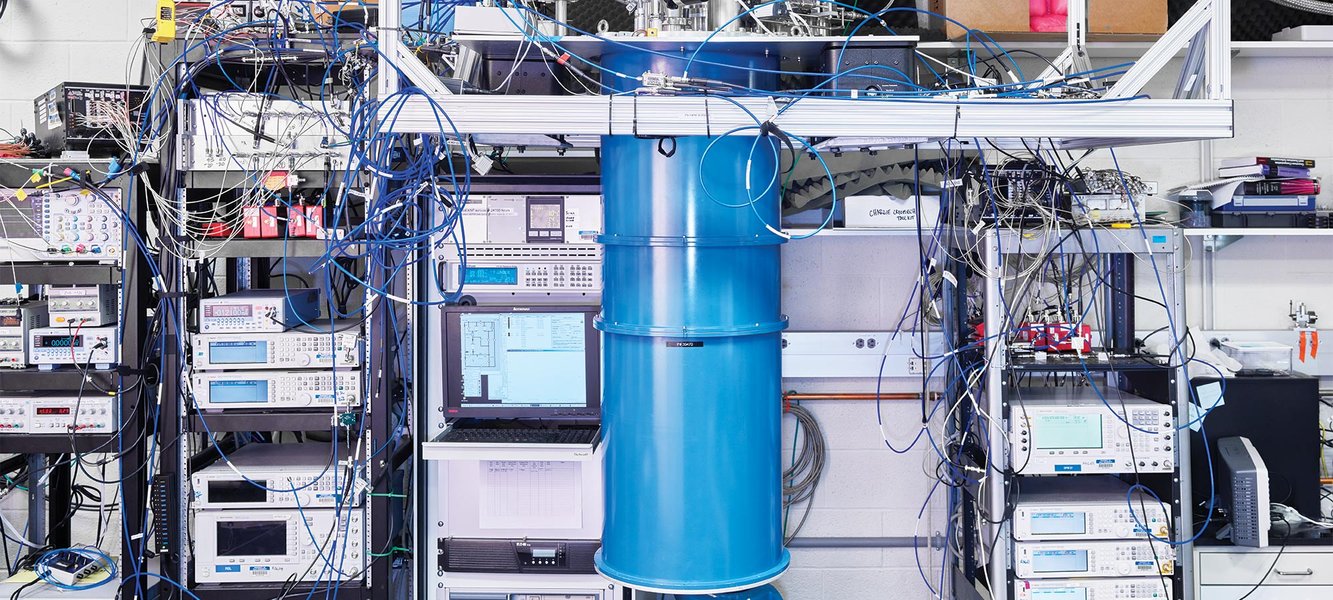
The intricate internal components of a quantum computer, showing the complex cooling systems required to maintain quantum states.
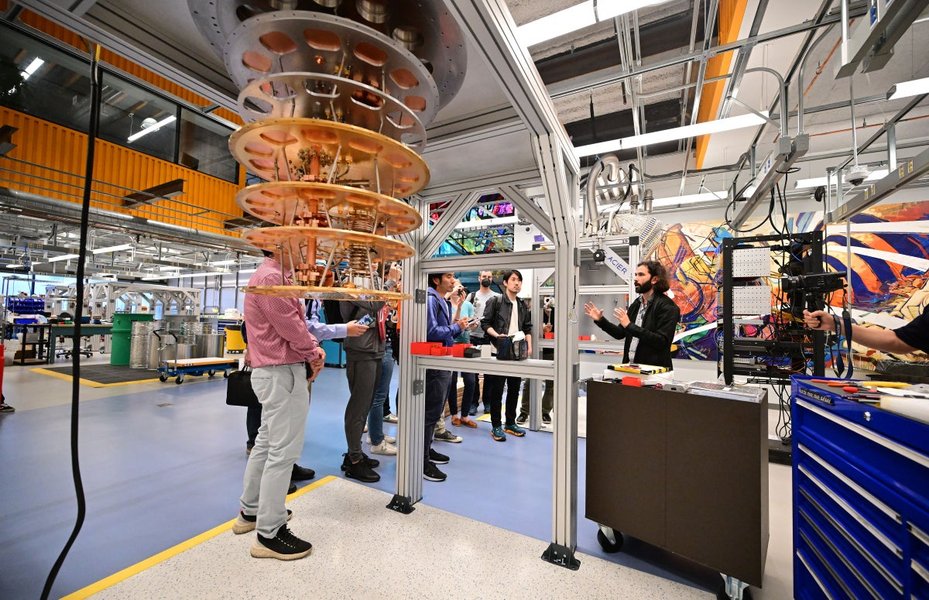
Google's quantum processor, which has demonstrated significant progress in reducing computational errors—a critical advancement for reliable quantum AI applications.
Challenges and Limitations
Despite the immense promise of quantum AI, several significant challenges must be addressed before its full potential can be realized:
Technical Hurdles
- Quantum Decoherence: Quantum states are extremely fragile and susceptible to environmental interference, making error correction a critical area of research.
- Scalability: Current quantum computers have limited qubit counts, restricting their practical applications for complex AI problems.
- Algorithm Development: Creating quantum algorithms that provide meaningful advantages over classical algorithms remains challenging.
Implementation Barriers
- Expertise Gap: The intersection of quantum physics and AI requires specialized knowledge that's in short supply.
- Infrastructure Requirements: Quantum computers need extremely low temperatures and specialized facilities, limiting accessibility.
- Integration Complexity: Combining quantum and classical systems into effective hybrid architectures presents significant engineering challenges.
Frequently Asked Questions
References
- Quantum-Safe Cryptography - IBM Think
- Quantum Artificial Intelligence: Exploring the Relationship Between AI and Quantum Computing - Cloud Security Alliance
- Quantum Security and Artificial Intelligence: The Future Together - Security Intelligence
- Quantum-Safe Systems - IBM Research
- Quantum-Safe Solutions - IBM Quantum
- Integration of AI with Quantum Cryptography - Journal of Analytical Science and Technology
- The AI–quantum computing mash-up: will it revolutionize science? - Nature
Recommended Explorations
Last updated April 6, 2025