
The Power of Recognition: Understanding Rewards as Motivation Catalysts in Learning
Discovering how well-implemented reward systems can transform student motivation, engagement, and academic performance
Key Insights on Rewards in Learning
- Rewards serve as powerful motivational tools that reinforce positive behaviors and encourage students to actively participate in their learning journey.
- Effective reward systems incorporate both intrinsic and extrinsic motivators, helping students develop internal drive while providing external recognition.
- Strategic implementation of rewards significantly enhances student engagement, confidence, and overall academic performance when applied consistently and appropriately.
Defining Rewards in Educational Context
In the educational context, a reward (penghargaan) is a form of recognition or appreciation given to students in response to desired behaviors, achievements, or positive participation in the learning process. Rewards function as positive reinforcement tools designed to acknowledge students' efforts and accomplishments while motivating them to maintain or improve their performance.
Rewards can take many forms, ranging from verbal praise and recognition to tangible items or privileges. When implemented strategically, rewards create a positive learning environment where students feel valued and motivated to engage more deeply with learning materials and activities.
The Dual Nature of Rewards
Rewards in education operate on two fundamental levels:
Extrinsic Rewards
These are external motivators that come from outside the individual. Examples include certificates, stickers, small gifts, privileges, or public recognition. Extrinsic rewards are particularly effective for initiating behavioral changes and providing immediate feedback on performance.
Intrinsic Rewards
These are internal motivators that come from within the individual, such as feelings of satisfaction, accomplishment, competence, or enjoyment in the learning process itself. While not physically tangible, intrinsic rewards are powerful drivers of sustained motivation and deeper engagement.
An effective reward system balances both types, using extrinsic rewards strategically while nurturing intrinsic motivation that will sustain learning in the long term.
Types and Forms of Educational Rewards
Educators can implement various forms of rewards to motivate students effectively. Understanding the different types allows teachers to select appropriate rewards based on student preferences, age groups, and specific learning contexts.
| Reward Category | Examples | Best Applied For | Implementation Notes |
|---|---|---|---|
| Verbal Rewards | Praise, positive affirmations, encouraging words, recognition in class | Daily achievements, effort recognition, progress acknowledgment | Should be specific, sincere, and immediate; focus on effort rather than ability |
| Material Rewards | Stationery items, books, treats, small toys | Significant achievements, milestone accomplishments | Use sparingly to avoid dependency; select age-appropriate items |
| Activity-Based Rewards | Extra free time, special class responsibilities, choice of activities | Group accomplishments, extended effort periods | Create opportunities that enhance the classroom experience |
| Social Rewards | Public recognition, certificates, display of work, positive notes to parents | Distinguished achievements, exemplary behavior | Consider cultural context and student comfort with public recognition |
| Symbolic Rewards | Stars, points, badges, tokens, stickers | Ongoing motivation, progress tracking | Can be collected toward larger rewards; effective for visual progress tracking |
The effectiveness of any reward depends largely on its perceived value by the student. What works as a powerful motivator for one student may have little impact on another, highlighting the importance of personalizing reward systems to match individual preferences and values.
How Rewards Enhance Learning Motivation
Rewards play a significant role in the learning process by leveraging various psychological principles that influence student behavior and motivation. Understanding these mechanisms helps educators implement reward systems that genuinely enhance student learning motivation.
Psychological Impact of Rewards on Learning
This radar chart illustrates the comparative effectiveness of different reward types across key motivational dimensions. Immediate verbal praise shows the strongest overall motivational impact, particularly in reinforcing desired behaviors and creating positive learning environments. Tangible rewards excel at increasing engagement and encouraging achievement orientation but have less impact on intrinsic motivation. Privilege-based rewards and recognition certificates demonstrate balanced effects across all dimensions.
Key Mechanisms of Reward-Based Motivation
Positive Reinforcement
When students receive rewards after demonstrating desired behaviors or achieving goals, they develop a positive association with those behaviors, increasing the likelihood they'll repeat them. This psychological principle forms the foundation of reward-based motivation systems in education.
Goal-Setting Enhancement
Rewards provide clear markers of achievement that help students set and work toward specific learning goals. The anticipation of receiving recognition upon reaching these goals motivates students to persist through challenges and maintain focus on their objectives.
Confidence Building
As students receive recognition for their achievements, they develop greater self-confidence in their abilities. This increased confidence often translates to greater willingness to tackle more challenging material and persist when facing difficulties.
Creating Positive Learning Environments
Reward systems contribute to creating classroom atmospheres where achievement and effort are celebrated. These positive environments reduce anxiety associated with learning and promote greater student engagement and participation.
Strategic Implementation of Reward Systems
The effectiveness of rewards in enhancing learning motivation depends significantly on how they are implemented. Strategic implementation requires careful consideration of timing, consistency, fairness, and appropriateness for different student needs and contexts.
This mindmap illustrates the key considerations for effectively implementing reward systems in educational settings. Successful implementation requires attention to timing, appropriate selection, clear application strategies, and plans for maintaining long-term effectiveness as students develop.
Best Practices for Educational Rewards
To maximize the motivational benefits of rewards while minimizing potential drawbacks, educators should adhere to these best practices:
Consistency and Fairness
Apply reward criteria consistently across all students while acknowledging different starting points and growth trajectories. Transparent and fair reward systems build trust and maximize motivational impact.
Focus on Process and Effort
Emphasize rewarding effort, improvement, and learning processes rather than just final outcomes. This approach encourages a growth mindset and resilience in the face of challenges.
Progressive Transition
Gradually shift from more tangible, extrinsic rewards toward more intrinsic motivators as students develop. This transition helps students internalize the value of learning beyond external recognition.
Personalization
Tailor rewards to individual student preferences, interests, and motivational profiles. What works as a powerful motivator for one student may have minimal impact on another.
Visual Examples of Educational Rewards
Examining visual representations of reward systems can provide practical insights into their implementation in various educational settings. These examples showcase different approaches to recognizing and motivating students.

Conceptual illustration of reward and punishment approaches in education, highlighting the balanced implementation needed for effective classroom management.

Teacher implementing reward systems in a classroom setting, demonstrating how recognition directly enhances student engagement and participation.
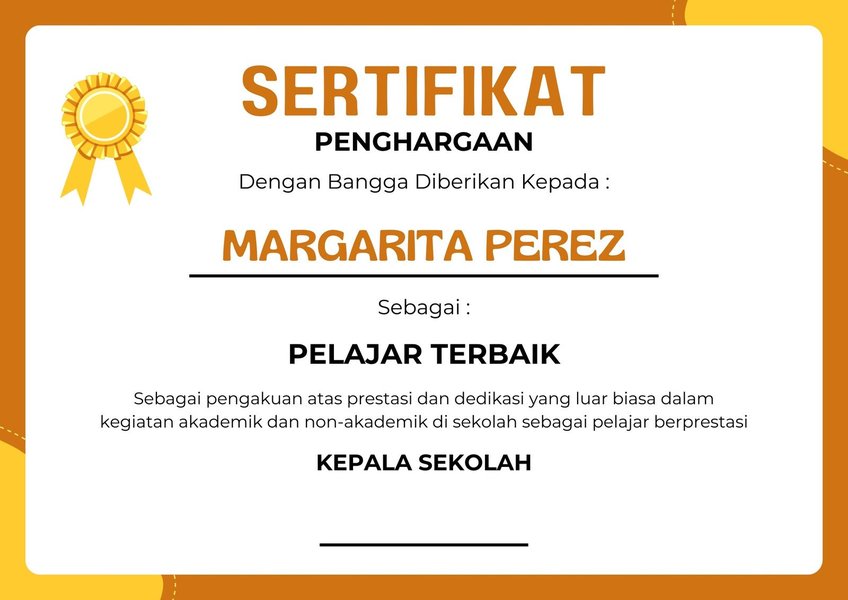
Example of a recognition certificate used as a formal reward for student achievement, providing tangible acknowledgment of accomplishments.
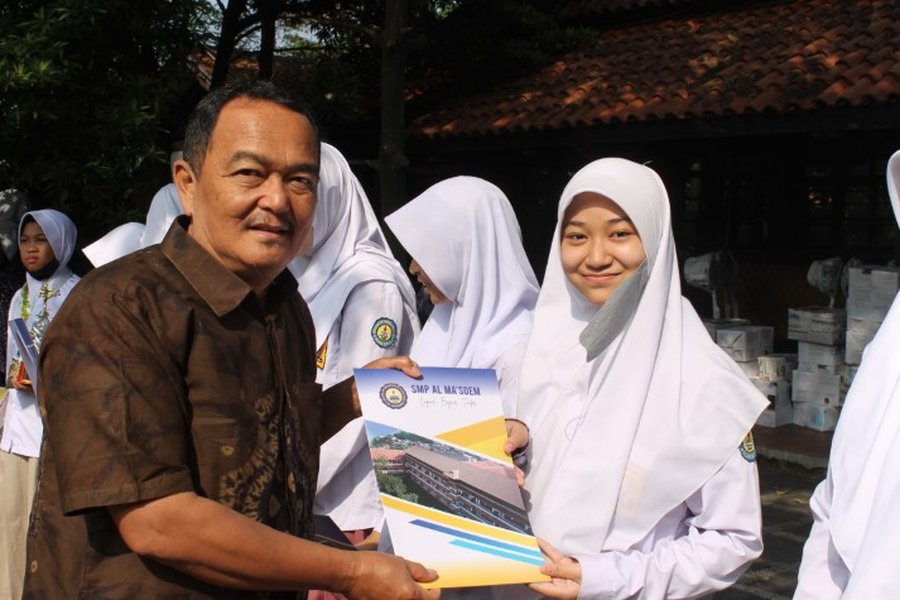
Students receiving awards during a formal recognition ceremony, highlighting the social and celebratory aspects of educational rewards.
These visual examples illustrate the diverse ways rewards can be implemented in educational settings, from informal classroom recognition to formal ceremonies and certificates. Each approach serves the fundamental purpose of acknowledging student efforts and achievements while enhancing motivation to learn.
Practical Applications in the Classroom
This video explores effective reward systems in classroom settings, providing practical strategies for implementing motivational techniques. It demonstrates how teachers can structure reward systems to enhance student engagement while promoting a positive learning environment. The video offers specific examples of reward mechanisms that have proven effective in real classroom situations, focusing on both individual and group reward strategies.
Implementing Reward Systems for Different Age Groups
Effective reward implementation varies significantly across different educational levels. Age-appropriate approaches ensure that recognition remains meaningful and motivational throughout a student's educational journey.
Early Education (Preschool and Elementary)
Younger students respond well to immediate, concrete rewards with visual elements. Sticker charts, colorful certificates, and small tangible rewards work effectively. The focus should be on frequent recognition with clear, simple connections between behavior and rewards.
Middle School
As students develop, social recognition becomes increasingly important. Peer acknowledgment, responsibility-based rewards (like class helper roles), and achievement displays can be particularly effective. Balance tangible rewards with opportunities for independence and leadership.
High School
Older students benefit from rewards that acknowledge their maturity and growing independence. Privileges, recognition of real-world skills, and rewards that connect to future aspirations prove most effective. Digital badges, portfolio recognition, and community acknowledgment align well with adolescent development needs.
Potential Challenges and Solutions
While reward systems offer significant benefits for enhancing learning motivation, they also present certain challenges that educators should address proactively. Understanding these potential pitfalls allows for more effective implementation of reward strategies.
Common Challenges with Reward Systems
Dependency on External Motivation
Over-reliance on rewards may reduce students' intrinsic motivation, making them dependent on external recognition to maintain effort and engagement. To address this, gradually transition from frequent tangible rewards to more intermittent recognition and emphasize the internal satisfaction of learning and achievement.
Fairness Perception Issues
Students may perceive reward distribution as unfair, particularly when achievement-based rewards favor naturally high-performing students. Create multiple pathways to recognition, acknowledge improvement and effort alongside achievement, and maintain transparent criteria for all rewards.
Diminishing Returns
The effectiveness of specific rewards often decreases over time as students become accustomed to them. Implement varied reward systems that evolve throughout the academic year, incorporate element of surprise, and periodically refresh reward options based on student input.
Resource Limitations
Schools and teachers may face constraints in implementing material reward systems. Focus on non-material rewards that require minimal resources (privileges, recognition, positive feedback), involve parents in supporting reward systems, and consider community partnerships for more substantial recognition programs.
Frequently Asked Questions
References
-
Reward: Pengertian, Jenis, Tujuan, Faktor, dan Indikatornya - Kompas.com
- Pengaruh Pemberian Reward Terhadap Motivasi Belajar Siswa - Journal Almarhalah
- Pengertian Reward And Punishment - Fatkhan.web.id
- Pengertian, Macam-Macam, Tujuan, dan Fungsi Reward dalam Pembelajaran - Rumah Belajar
- 7 Bentuk Reward yang Ideal untuk Murid yang Berprestasi di Kelas - Kejar Cita
- Mengenal Arti Reward dan Punishment dalam Pendidikan - SMA Dwiwarna
- Tujuan dan Manfaat Pemberian 'Reward' pada Siswa - Matra Pendidikan
Recommended Explorations
 rumahbelajar21.blogspot.com
Last updated April 4, 2025