
Unlock Your Next-Level Graphics Programming Career: High-Pay, Remote & Principled Roles Await
Your guide to top companies, essential skills, and a strategic career plan in senior graphics and engine development, beyond Unity and Unreal.
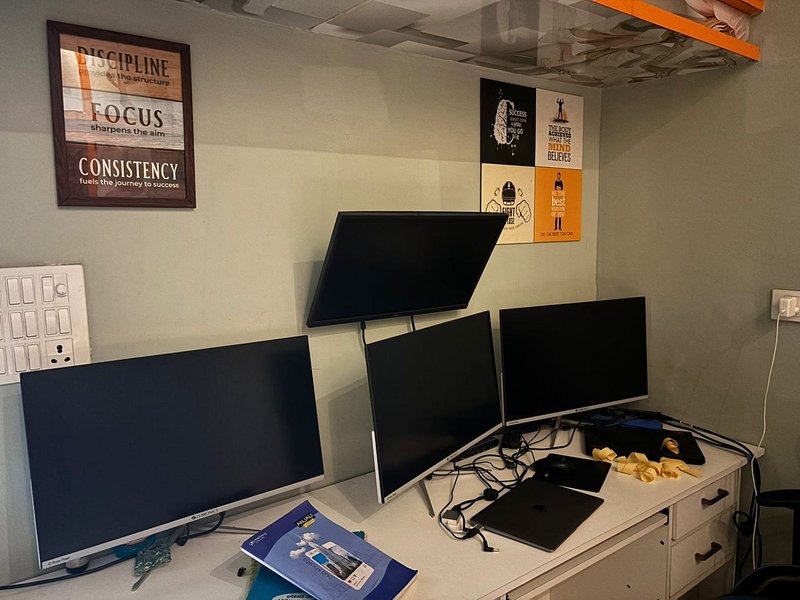
A well-equipped workspace, essential for focused graphics development.
Key Insights for Your Advancement
- Target High-Growth Areas: Focus on companies developing proprietary engines, or those in GPU hardware and specialized middleware, as they often offer the most challenging and rewarding senior graphics programming roles.
- Master Core Technologies: Deep expertise in C++, modern graphics APIs like Vulkan and DirectX 12, and shader languages (HLSL/GLSL) is paramount for high-paying positions.
- Strategic Relocation & Remote Work: Many top-tier companies now offer fully remote positions or comprehensive relocation packages, broadening your opportunities globally. Senior roles are particularly favored for these arrangements.
The Landscape of Senior Graphics Programming
As a seasoned graphics programmer with five years of experience, you're in a strong position. The demand for specialists who can push visual boundaries and optimize rendering pipelines, especially outside mainstream engines like Unreal and Unity, is significant. Companies are actively seeking talent for their custom engines, graphics tools, and AAA game projects.
Salary Expectations and Role Seniority
For senior or senior+ graphics programming roles, particularly those involving engine development or deep API expertise, compensation is highly competitive. In markets like the US, annual salaries can range from $120,000 to $180,000+, with principal engineers at leading tech firms and game studios potentially earning upwards of $200,000. Remote roles often match or exceed these figures to attract top global talent. Seniority implies not just coding proficiency but also architectural input, mentorship, and leadership in performance optimization.
What "Principled" Companies Look For
Companies with strong engineering principles typically value:
- Robust and Maintainable Code: Emphasis on clean, well-documented C++ and shader code.
- Innovation and Problem-Solving: A culture that encourages tackling complex graphics challenges.
- Collaboration and Autonomy: Teams where senior members drive initiatives and contribute to high-impact projects.
- Technical Excellence: Deep understanding of hardware, rendering techniques, and performance implications.
Essential Languages & Frameworks Beyond the Mainstream
To excel in graphics programming and engine development roles that don't rely on Unreal or Unity, a specific set of technical skills is crucial. Companies developing their own technology stacks prioritize deep, low-level knowledge.
Core Programming Languages
C++: The Lingua Franca
C++ remains the cornerstone for high-performance graphics and engine development. Your expertise here, including modern C++ standards, memory management, and multi-threading, is non-negotiable.
Critical Graphics APIs
Modern Low-Level APIs
- Vulkan: A cross-platform API offering explicit control over GPU hardware. Highly sought after for custom engines and performance-critical applications.
- DirectX 12 / DirectX 12 Ultimate: Microsoft's flagship API for Windows and Xbox, essential for many AAA studios and graphics-intensive applications. Features like ray tracing, mesh shaders, and variable rate shading are key.
- Metal: Apple's graphics API for iOS, macOS, and tvOS. Important if targeting Apple ecosystems.
- OpenGL/OpenGL ES: While older, still relevant in some contexts, particularly for legacy systems, tools development, or specific embedded systems.
Shader Languages
Crafting Visuals
- HLSL (High-Level Shading Language): Used with DirectX.
- GLSL (OpenGL Shading Language): Used with OpenGL and often as a base for Vulkan shaders (via SPIR-V compilation).
- SPIR-V: An intermediate representation for Vulkan, Metal, and OpenCL, allowing for shaders written in languages like GLSL or HLSL to be used.
Other Key Competencies
- Custom Engine Architecture: Understanding the design and implementation of rendering pipelines, resource management, and game engine subsystems.
- Performance Profiling and Optimization: Expertise with tools like RenderDoc, PIX (for DirectX), NVIDIA Nsight, AMD Radeon GPU Profiler, and platform-specific profilers.
- GPU Compute: Experience with CUDA (NVIDIA) or OpenCL for general-purpose GPU programming can be a significant plus, especially in simulation, AI, or advanced visual effects.
- Parallel Programming: Essential for leveraging multi-core CPUs and modern GPU architectures.
- Tooling: Proficiency with Python or Rust for scripting, build systems, or developing custom tools can be beneficial.
Visualizing Skill Demand in Senior Graphics Programming
The following chart illustrates the typical demand for various skills in senior graphics programming roles across different types of companies. While all skills are important, their emphasis can vary. For instance, AAA studios might require high proficiency across the board, while middleware developers could prioritize deep API and architecture knowledge, and studios with custom engines may have a strong focus on unique engine development challenges.
This radar chart provides a generalized view. Specific requirements will always vary by company and role. A strong foundation in C++ and core graphics principles is universally critical.
Strategic Career Plan for Maximum Impact & Earnings
With your experience, a structured approach can help you secure top-tier roles and maximize your earning potential. This plan outlines key stages and actions:
Phase 1: Solidify & Target (Current - Next 1-2 Years)
- Deepen API Expertise: Focus on mastering Vulkan and/or DirectX 12 Ultimate. Contribute to personal or open-source projects using these APIs to showcase practical skills.
- Portfolio Enhancement: Ensure your portfolio highlights complex graphics projects, custom engine work (if any), and significant optimization achievements. Quantify your impact where possible.
- Targeted Applications: Identify companies known for proprietary engine development or specialized graphics work. Prioritize those explicitly offering remote or relocation for senior roles.
- Networking: Engage with the graphics programming community (e.g., SIGGRAPH, GDC, online forums like r/GraphicsProgramming) to learn about unadvertised opportunities and company cultures.
Phase 2: Specialize & Lead (Next 2-4 Years)
- Specialize in Cutting-Edge Tech: Develop expertise in areas like real-time ray tracing, advanced lighting (e.g., global illumination), machine learning in graphics, or procedural generation.
- Aim for Principal/Lead Roles: Target positions like Principal Graphics Engineer, Lead Rendering Engineer, or Senior Engine Architect. These roles often involve more design influence and technical leadership.
- Seek High-Impact Projects: Look for opportunities within companies known for pushing graphical boundaries (e.g., AAA studios with custom tech, GPU manufacturers, leading middleware providers).
Phase 3: Innovate & Influence (5+ Years Onward)
- Drive R&D: Contribute to or lead research and development in new graphics technologies.
- Architectural Leadership: Take on roles like Technical Director or Graphics Architect, shaping the technological vision for projects or entire engines.
- Thought Leadership: Consider publishing papers, speaking at conferences, or contributing significantly to open-source graphics initiatives to build industry recognition.
Continuous Development
- Stay Current: The graphics field evolves rapidly. Continuously learn new techniques, APIs, and hardware capabilities.
- Build Visibility: A strong professional network and public demonstrations of your expertise (e.g., blog posts, GitHub projects) can attract high-level opportunities.
Mapping Your Graphics Programming Journey
This mindmap illustrates key facets of a senior graphics programmer's career, including essential skills, progression paths, and areas of focus. It serves as a visual guide to navigate the complexities and opportunities within the field, especially when targeting roles outside mainstream engines.
Career Path (Custom Engine Focus)"] id1["Foundational Skills"] id1a["C++ Mastery
(Modern C++, Performance)"] id1b["Advanced Graphics APIs
(Vulkan, DirectX 12, Metal)"] id1c["Shader Development
(HLSL, GLSL, SPIR-V)"] id1d["Engine Architecture Design
(Rendering Pipelines, Resource Mgmt)"] id1e["Low-Level Optimization Techniques"] id2["Career Progression"] id2a["Senior Graphics Programmer
(5+ years exp.)"] id2b["Lead/Principal Graphics Engineer
(Specialization, Tech Leadership)"] id2c["Graphics Architect / Technical Director
(System-level Design, R&D)"] id3["Target Company Types"] id3a["Studios with Proprietary Engines
(AAA, Boutique Indies)"] id3b["GPU Hardware Manufacturers
(NVIDIA, AMD, Intel)"] id3c["Middleware & Tools Developers
(Graphics Libraries, Simulation)"] id3d["High-Tech Research Labs"] id4["Continuous Learning & Growth"] id4a["Industry Conferences
(SIGGRAPH, GDC, Local Meetups)"] id4b["Research Papers & Publications"] id4c["Open Source Contributions"] id4d["Personal R&D Projects"] id5["Key Focus Areas for High Pay"] id5a["Performance Optimization Expertise"] id5b["Cutting-Edge Feature Implementation
(Ray Tracing, AI in Graphics)"] id5c["Cross-Platform Development Skills"]
Navigating this path successfully involves a blend of deep technical expertise, strategic career choices, and a commitment to continuous learning and adaptation within the ever-evolving landscape of computer graphics.
Companies Hiring Senior Graphics Programmers (Remote/Relocation Focus)
The following table lists companies known to hire for senior-level graphics programming and engine development roles, often with remote work options or relocation assistance. This list prioritizes companies that develop their own technology or work on graphics at a fundamental level, excluding roles solely focused on using Unity or Unreal Engine for game development.
| Company | Typical Focus / Role Examples | Remote/Relocation Potential | Key Technologies Often Sought | Notes |
|---|---|---|---|---|
| NVIDIA | GPU Drivers, Graphics SDKs, Ray Tracing, Rendering Research, AI in Graphics | High (Remote & Relocation common for senior roles) | C++, CUDA, Vulkan, DirectX, HLSL/GLSL, Python | Industry leader in GPU tech; excellent for deep graphics work. |
| Microsoft (Xbox Game Studios / Azure GPU) | Console Rendering Engines, Cloud Graphics, DirectX Development | High (Remote emerging, Relocation common) | C++, DirectX 12 Ultimate, HLSL, Engine Design | Opportunities in both gaming and cloud graphics infrastructure. |
| Valve Software | Source Engine 2 Development, Steam Deck Graphics, VR/AR R&D | Moderate to High (Flexible policies, some remote) | C++, Vulkan, Custom Shaders, Engine Design | Known for innovative engine tech and strong engineering culture. |
| Sony Interactive Entertainment (PlayStation) | PlayStation Console Graphics, Engine Technology, GPU Optimization | Moderate (Relocation often offered for specialized roles) | C++, Proprietary APIs, HLSL/GLSL, Engine Systems | Deep hardware-level graphics programming for consoles. |
| Epic Games (Core Engine Team) | Unreal Engine Core Graphics Subsystems (Rendering, Nanite, Lumen) | High (Remote & Relocation for specialized engine roles) | C++, HLSL, DirectX, Vulkan, Engine Architecture | Focus on developing the core graphics tech of Unreal Engine. |
| Unity Technologies (Graphics Engine Team) | Unity Core Graphics Engine (SRPs, Shaders, Cross-Platform Rendering) | High (Remote common for senior engine roles) | C++, C#, Shader Languages, Vulkan, Metal, DirectX | Working on the underlying graphics systems of the Unity engine. |
| Activision Blizzard (Central Tech / Studio Engine Teams) | Custom AAA Game Engines, Advanced Rendering Features, Performance Optimization | Moderate to High (Remote & Relocation for senior talent) | C++, DirectX, Vulkan, HLSL, Custom Engine Tech | Multiple studios with proprietary engine technology. |
| Naughty Dog | Proprietary Engine Development for PlayStation titles, Cutting-edge Visuals | Moderate (Relocation often preferred/supported) | C++, HLSL, Vulkan (likely), Custom Engine Tech | Renowned for highly optimized and visually stunning games. |
| Weta Digital / Unity Weta Tools | High-end Cinematic Real-time Rendering, Advanced Shader Development, VFX Tools | Moderate (Relocation preferred, some remote for exceptional talent) | C++, GLSL/HLSL, Vulkan, Custom Compilers, Python | Focus on film-quality real-time graphics and tools. |
| Keen Games GmbH | Proprietary Game Engine, State-of-the-art Visuals for own IP | High (Explicitly offer remote for Senior Graphics) | C++, HLSL, DirectX12, Vulkan, Console APIs | Developing own engine for their games. |
| Digital Extremes | Evolution Engine (Warframe), Graphics Enhancements, Cross-Platform | High (Remote & Relocation options for London, ON base) | C++, Custom Engine Tech, Modern Graphics APIs | Continuous development on their proprietary engine. |
| Build A Rocket Boy | Next-gen Game Visuals, Custom Engine/Tools for "Everywhere" | High (Fully remote roles available) | C++, HLSL, Modern Graphics APIs | Ambitious project with a focus on new technology. |
| PUBG Studios (Shared Engineering) | Engine-level development, Graphics Optimization for large-scale games | Moderate to High (Remote possibilities, Madison, WI base) | C++, Custom Engine modifications, Performance | Focus on core engineering for their major titles. |
| Collabora | Open Source Graphics Drivers (Mesa), Vulkan/OpenGL contributions, Linux Graphics Stack | High (Fully Remote) | C, C++, Linux, Vulkan, OpenGL, Mesa | Contributes significantly to open-source graphics. |
| PlayMagic LLC | Custom Engine Development, Graphics Programming | High (Full Remote) | C++, Custom Engines | Focus on proprietary engine solutions. |
| Adobe (Substance 3D, Aero, Research) | Real-time 3D Graphics Tools, GPU Acceleration, Rendering R&D | High (Strong remote and relocation policies for senior roles) | C++, CUDA, Vulkan, Metal, GLSL/HLSL, Python | Graphics programming for creative tools and emerging tech. |
This list is not exhaustive and availability of roles changes frequently. Always check company career pages and reputable job boards. "High" remote potential indicates a company culture or specific roles known for supporting remote work.
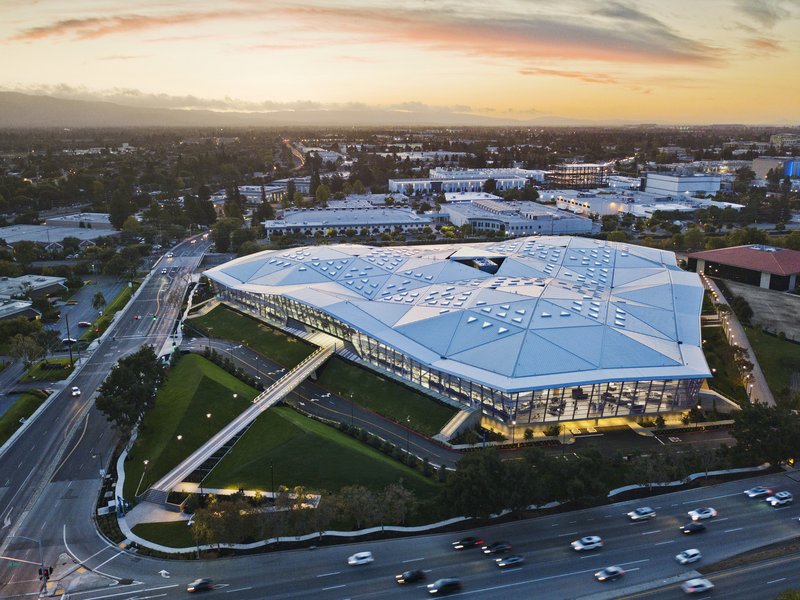
Companies like NVIDIA are at the forefront of graphics technology, offering deep R&D roles.
Insights from a Graphics Developer
Understanding the journey and mindset of fellow graphics developers can be inspiring. The following video features a developer discussing their passion for UI design and graphics programming, offering a glimpse into the motivations that drive professionals in this field.
While this video highlights one developer's journey, it underscores the creativity and technical skill involved in graphics programming. Pursuing roles at companies that value these aspects, particularly those investing in custom engine technology or foundational graphics research, can lead to a fulfilling and well-compensated career.
Frequently Asked Questions (FAQ)
What salary can I realistically expect as a senior graphics programmer with remote options?
As of early 2025, senior graphics programmers with 5+ years of experience, particularly those specializing in C++, custom engines, and modern APIs like Vulkan or DirectX 12, can typically expect salaries ranging from $120,000 to $180,000+ USD annually in competitive markets, especially for remote roles attracting US-based talent. Principal-level roles or positions at top-tier tech companies (e.g., NVIDIA, Microsoft, major AAA studios with proprietary tech) can exceed $200,000. Salaries are influenced by location (even for remote, due to cost of labor adjustments), specific skillset, company size and profitability, and the complexity of the role.
Which graphics APIs are most crucial to master for roles outside of Unreal and Unity?
For senior graphics programming roles focused on custom engines or low-level development, deep expertise in Vulkan and DirectX 12 (including DirectX 12 Ultimate features) is highly prized. Vulkan offers cross-platform capabilities and explicit hardware control, making it attractive for custom solutions. DirectX 12 is dominant on Windows and Xbox. Familiarity with Metal is essential if targeting Apple platforms. While older, a foundational understanding of OpenGL can still be beneficial for legacy codebases or certain tools.
How important is a strong portfolio for securing senior graphics programming positions?
A strong portfolio is extremely important, even for senior roles. It should showcase your ability to tackle complex graphics problems, implement advanced rendering techniques, optimize performance, and ideally, demonstrate experience with custom engine components or low-level API programming. Contributions to open-source graphics projects, personal tech demos (especially with Vulkan or DirectX 12), or detailed write-ups of challenging projects you've completed can significantly differentiate you. For senior positions, the portfolio should reflect not just technical skill but also problem-solving capabilities and architectural thinking.
What are effective strategies for finding companies that are developing their own engines or have strong engineering principles?
Research is key. Look for:
- Company Tech Blogs & Publications: Many companies with strong engineering cultures (e.g., NVIDIA, Valve, some AAA studios) share their R&D work.
- Conference Presentations: Talks at GDC, SIGGRAPH, or other industry events often reveal companies working on innovative, custom graphics technology.
- Job Descriptions: Look for roles mentioning "proprietary engine," "rendering research," "low-level optimization," and specific APIs like Vulkan or DirectX 12 in contexts beyond typical game development.
- Industry Reputation: Network with peers and consult online communities (like r/GraphicsProgramming or specialized Discord servers) to learn about companies known for their engine tech and engineering culture.
- Company "About Us" / "Careers" Pages: These often highlight a company's values, approach to technology, and commitment to innovation.
Recommended Further Exploration
- Explore the nuanced differences and use cases for Vulkan versus DirectX 12 Ultimate in custom game engine creation.
- Investigate how senior graphics programming skills translate to principal engineering roles in fields like simulation, medical imaging, or scientific visualization.
- Learn about advanced C++ programming patterns and optimization strategies specifically tailored for maximizing performance in real-time graphics applications.
- Discover how machine learning is being integrated into graphics rendering to achieve new levels of realism and efficiency.
References
Last updated May 10, 2025