
The Unseen Revolution: How Smart Tech is Reshaping Self-Storage Management in 2025
Discover the seamless integration of AI, automation, and cloud solutions empowering remote oversight and efficiency.
Key Insights: The Future of Self-Storage Management
- Comprehensive Automation: Smart storage software in 2025 automates everything from online rentals and payment processing to tenant communications and access control, significantly reducing manual workload.
- Enhanced Remote Oversight: Cloud-based platforms and IoT integration provide facility managers with real-time monitoring, security alerts, and control over multiple locations from any device, anywhere.
- Improved Tenant Experience: User-friendly online portals, 24/7 self-service options, and secure, convenient access methods are becoming standard, boosting customer satisfaction and retention.
The Core Transformation: Smart Software and Easy Solutions in 2025
In 2025, the landscape of self-storage management has been profoundly reshaped by the maturation and widespread adoption of smart storage software and easy-to-use storage solutions. These technologies are pivotal in enabling efficient, secure, and profitable remote management of self-storage facilities. The core of this transformation lies in the sophisticated integration of cloud computing, artificial intelligence (AI), and the Internet of Things (IoT), which collectively empower facility operators with unprecedented control and insight, irrespective of their physical location. Operators can now manage virtually every aspect of their business—from tenant acquisition and onboarding to daily operations and security—through centralized, web-based dashboards accessible via desktops, tablets, or smartphones.
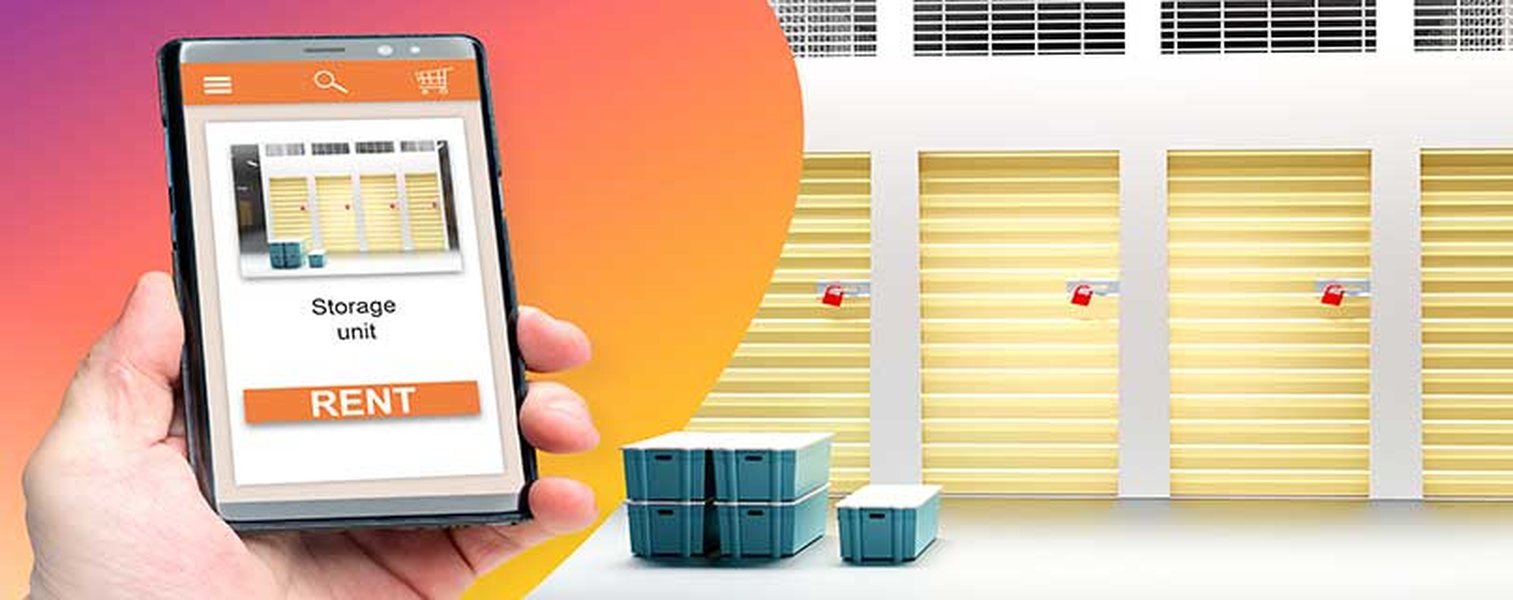
The integration of technology is central to modern self-storage operations.
Automation: The Engine of Remote Management
A cornerstone of these modern solutions is extensive automation. Mundane yet critical tasks that once required significant on-site staff presence are now handled seamlessly by software. This includes:
- Online Rentals & Onboarding: Prospective tenants can browse available units, select their preferred size, complete rental agreements digitally, and make initial payments online, 24/7, without direct staff intervention.
- Automated Billing & Payments: Systems automatically generate and send invoices, process recurring payments, issue payment reminders, and manage late fees, significantly improving cash flow and reducing delinquencies. Platforms often feature "zero-login" payment options for tenant convenience.
- Tenant Communication: Automated notifications for payment confirmations, upcoming rent, gate access changes, or important facility announcements are sent via email or SMS, ensuring tenants are well-informed.
Enhanced Security and Access Control
Smart storage solutions have revolutionized facility security and access. Traditional locks and manual gate codes are increasingly replaced by sophisticated systems integrated directly with management software:
Mobile apps provide tenants with convenient and secure access to their smart storage units.
- Smart Locks & Gate Systems: Tenants can access the facility and their individual units using mobile apps, unique PIN codes, or even biometric data like facial recognition. Operators can remotely grant or revoke access instantly, monitor entry/exit logs in real-time, and receive alerts for unauthorized access attempts.
- Real-Time Surveillance: Integration with IP cameras allows for live video feeds and recorded footage to be accessible remotely. AI-powered video analytics can detect unusual activity and trigger alerts.
- IoT Sensors: Units can be equipped with sensors for motion detection, door status (open/closed), temperature, and humidity, providing an added layer of security and protection for stored goods. Data from these sensors is relayed to the central management platform.
Data-Driven Operations and Business Intelligence
Beyond automation and security, smart storage software provides powerful data analytics and reporting tools. This enables operators to make informed decisions to optimize their business:
- Occupancy and Revenue Management: Real-time dashboards display key performance indicators (KPIs) such as occupancy rates, revenue per available square foot (RevPAF), and delinquency rates. Some systems offer dynamic pricing tools that suggest optimal rental rates based on demand, unit availability, and competitor pricing.
- Predictive Analytics: AI algorithms can analyze historical data to forecast demand, predict potential delinquencies, and even suggest maintenance schedules, helping operators to be proactive rather than reactive.
- Multi-Site Management: For operators with multiple facilities, these platforms offer a unified view, allowing them to manage their entire portfolio from a single interface, compare performance across sites, and standardize operations.
The Role of "Easy Storage Solutions" and Similar Platforms
Platforms like "Easy Storage Solutions" are specifically designed with the self-storage operator in mind, often by industry veterans. They focus on providing a comprehensive, yet user-friendly, web-based system. Key characteristics include integrated websites for direct online rentals, robust payment processing, tenant management portals, and often, marketing tools such as automated Google review collection. Their affordability and scalability make them accessible to both small independent operators and larger enterprises, democratizing access to advanced management capabilities. Storable, Storeganise, and Smart Storage Software are other notable names providing similar comprehensive solutions that emphasize automation, cloud accessibility, and operational efficiency for remote management.
Visualizing the Modern Self-Storage Ecosystem
To better understand the multifaceted nature of modern self-storage management solutions, the following mindmap illustrates the interconnected components and benefits. It highlights how technology, operational features, and user advantages converge to create a highly efficient and responsive system.
Predictive Analytics, Chatbots"] id1b["Internet of Things (IoT)
Smart Locks, Sensors, Cameras"] id1c["Cloud Computing
Remote Access, Scalability, Data Storage"] id2["Software Platform Features"] id2a["Automation Engine"] id2aa["Online Rentals & E-Signatures"] id2ab["Automated Billing & Payments"] id2ac["Tenant Communications"] id2b["Access & Security Management"] id2ba["Smart Gate & Unit Access"] id2bb["Real-Time Monitoring & Alerts"] id2bc["Digital Key Sharing"] id2c["Business Intelligence"] id2ca["Reporting & Analytics Dashboards"] id2cb["Rate Management Tools"] id2cc["Multi-Facility Oversight"] id3["Operator Benefits"] id3a["Increased Efficiency
Reduced Manual Labor"] id3b["Enhanced Revenue
Optimized Rates, Lower Delinquency"] id3c["Improved Security
Reduced Risk & Liability"] id3d["Scalable Operations
Easier Portfolio Growth"] id4["Tenant Benefits"] id4a["Ultimate Convenience
24/7 Self-Service"] id4b["Secure Access
Mobile & Keyless Entry"] id4c["Transparent Interactions
Online Account Management"] id4d["Peace of Mind
Modern, Well-Managed Facility"]
This mindmap encapsulates how various technological advancements and software functionalities integrate to deliver significant advantages for both self-storage operators and their tenants in 2025, fostering a more dynamic and user-centric industry.
Comparative Analysis of Modern Storage Solutions
The evolution of self-storage software has led to a diverse range of solutions, each with varying strengths. The radar chart below offers a conceptual comparison of different archetypes of storage management platforms based on key attributes critical for remote operations and overall efficiency in 2025. This is an illustrative comparison and specific features can vary widely between individual software providers.
This chart illustrates that while basic cloud software offers foundational remote capabilities, solutions like Easy Storage Solutions provide a more balanced and user-friendly approach tailored to self-storage needs. Advanced AI-powered platforms aim for peak performance across all metrics, often incorporating cutting-edge predictive analytics and comprehensive automation for maximum operational efficiency and security.
Key Features for Effective Remote Self-Storage Management
To effectively manage a self-storage facility remotely in 2025, a robust software solution should offer a comprehensive suite of features. The table below outlines some of the most critical functionalities and their impact on remote operations:
| Feature | Description | Impact on Remote Management |
|---|---|---|
| Cloud-Based Platform | Software and data are hosted online, accessible from any internet-connected device. | Enables true "work from anywhere" capability for facility managers. Ensures data backup and security. |
| Online Rentals & E-Signatures | Tenants can rent units, sign leases, and make payments entirely online. | Automates the entire move-in process, reducing need for on-site staff and allowing 24/7 rentals. |
| Automated Billing & Payment Processing | System handles invoicing, recurring payments, late fee assessment, and payment reminders. | Minimizes delinquencies, improves cash flow, and frees up staff from manual financial tasks. |
| Smart Access Control Integration | Seamless connection with electronic gate systems and smart unit locks. | Allows remote granting/revoking of access, monitoring of entry/exit logs, and enhanced security. |
| Real-Time Reporting & Analytics | Dashboards providing up-to-the-minute data on occupancy, revenue, and other KPIs. | Facilitates informed decision-making, trend spotting, and performance tracking from afar. |
| Tenant Portal | Secure online area for tenants to manage their accounts, make payments, and update information. | Improves tenant satisfaction through self-service options and reduces administrative calls. |
| Multi-Facility Management | Ability to oversee operations for multiple storage locations from a single dashboard. | Essential for operators with growing portfolios, ensuring consistency and centralized control. |
| AI-Powered Insights | Utilizes artificial intelligence for tasks like dynamic pricing, demand forecasting, and predictive maintenance alerts. | Optimizes revenue, improves operational planning, and reduces unexpected issues. |
| IoT Device Integration | Connectivity with smart sensors (motion, temperature, humidity) and cameras. | Provides enhanced unit-level security, environmental monitoring, and real-time facility status updates. |
These features, when combined, create a powerful toolkit that allows self-storage operators to manage their facilities efficiently and effectively, even when not physically present, leading to reduced overheads and increased profitability.
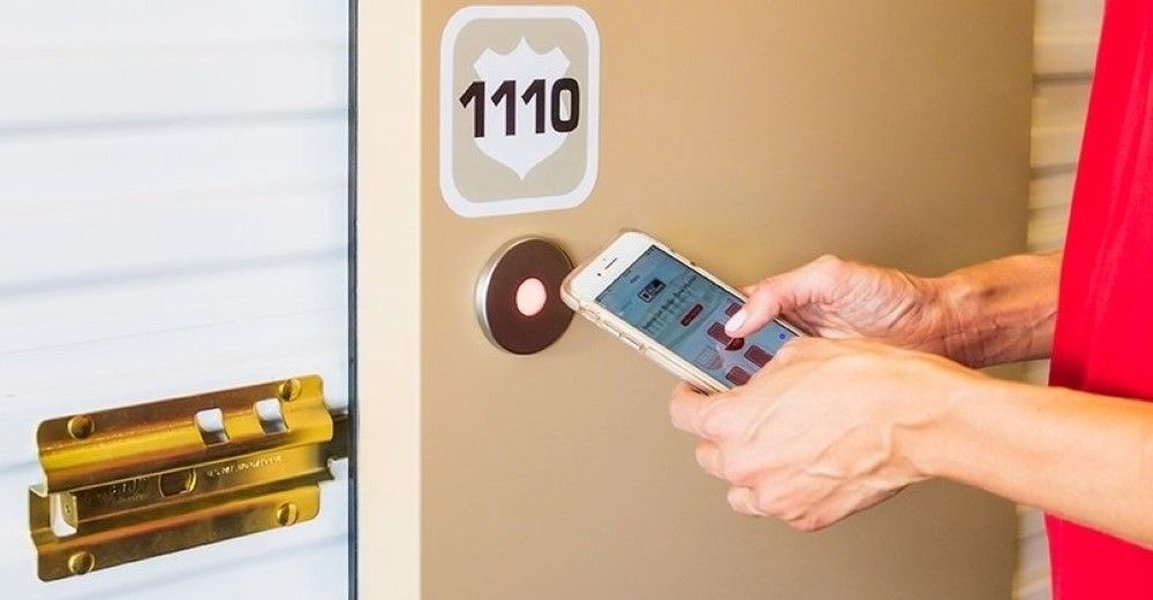
Smart entry systems are a key component of modern, remotely managed self-storage facilities.
Insights on Automating and Managing Self-Storage Remotely
The following video provides valuable perspectives on how automation and modern software solutions are practically applied to manage self-storage facilities from a distance. It discusses tools, systems, and strategies that successful operators are using in today's evolving market, offering a glimpse into the practical application of the technologies discussed.
Video discussing strategies and tools for remote self-storage facility management and automation.
This video emphasizes how leveraging the right combination of software (like Tenant Inc., Storable, or Easy Storage Solutions) and hardware (smart locks, cameras) can make remote management not just feasible but highly efficient. Key takeaways often include the importance of a robust online presence for rentals, automated communication systems to keep tenants informed, and integrated access control for security and convenience. These real-world applications highlight the shift towards a less hands-on, more technology-driven operational model for self-storage businesses, allowing owners to scale their operations and manage properties across different geographical locations effectively.
Frequently Asked Questions (FAQ)
What makes a storage solution "smart" in 2025?
In 2025, a "smart" storage solution goes beyond basic digitization. It implies a high degree of automation, integration of IoT devices (like smart locks, sensors, and cameras), cloud connectivity for remote access and management, and often, the use of AI for data analysis, predictive insights, and enhanced operational efficiency. Key features include real-time monitoring, automated tenant interactions (rentals, payments, communication), and sophisticated security protocols manageable from anywhere.
How does "Easy Storage Solutions" specifically aid remote management?
Easy Storage Solutions and similar platforms are designed for remote management by offering a web-based, all-in-one system. This typically includes an integrated website for 24/7 online rentals and payments, automated billing and reminders, digital lease signing, and tools to manage tenant accounts and facility operations from any internet-connected device. Their focus on user-friendliness and comprehensive automation reduces the need for on-site staff for many routine tasks.
Are these smart storage solutions secure for remote operations?
Yes, modern smart storage solutions prioritize security. This includes secure cloud hosting for data, encrypted communications, and advanced access control systems (e.g., individual smart locks, monitored gate access with digital logs). Operators can remotely monitor facilities via CCTV, receive alerts for unusual activity, and instantly manage access permissions. While no system is entirely infallible, these technologies significantly enhance security compared to traditional, less monitored facilities, especially for remote operations.
What are the main benefits for small storage operators?
Small storage operators gain significant benefits, including reduced labor costs through automation, the ability to compete with larger players by offering modern conveniences like online rentals and payments, improved operational efficiency, better cash flow management via automated billing, and enhanced security. Many "easy storage solutions" are affordably priced and scalable, making them accessible even for single-facility owners looking to streamline operations and manage their business remotely.
How does Artificial Intelligence (AI) play a role in these systems?
AI enhances smart storage software in several ways. It can power dynamic pricing engines to optimize rental rates based on demand and market conditions. AI-driven analytics can provide predictive insights, such as forecasting occupancy trends or identifying tenants at risk of delinquency. AI can also improve security through intelligent video surveillance (e.g., detecting unusual patterns) and automate customer service to some extent via chatbots that can handle common inquiries.
Recommended Further Exploration
- What are the key differences between various self-storage management software platforms in 2025?
- How is IoT technology specifically enhancing security in modern self-storage facilities?
- What are the cost implications and ROI of implementing smart storage solutions for a small facility?
- How are AI-driven predictive analytics changing revenue management strategies in the self-storage industry?
References
Last updated May 15, 2025