
Unpacking the Narrative Genius: Is Spider-Man 2 (2004) Weighed Down by Exposition?
Discover why Sam Raimi's masterpiece is celebrated for its storytelling, not criticized for info-dumping.
Highlights: Unmasking the Truth About Spider-Man 2's Exposition
- Necessary, Not Excessive: The film includes essential background information (exposition) common in sequels, but it's used purposefully to ground the story and characters, not overwhelm the plot.
- Masterfully Integrated: Exposition is woven seamlessly into character interactions, dialogue, and visual storytelling, feeling organic rather than forced or unnatural.
- Critically Acclaimed Storytelling: Far from being considered "bad," the exposition enhances character depth, emotional weight, and thematic resonance, contributing significantly to why *Spider-Man 2* is hailed as one of the greatest superhero films.
Deconstructing the Exposition in Spider-Man 2
Exposition, the art of conveying background information, is crucial in any narrative, especially sequels building upon established worlds. In Sam Raimi's *Spider-Man 2* (2004), exposition serves not as a crutch, but as a foundation for its celebrated character drama and thematic depth. The film revisits Peter Parker's world two years after the original, requiring some context-setting, but it handles this task with a finesse rarely seen in the genre.
Setting the Scene: Peter Parker's Burden
The film opens by establishing Peter Parker's (Tobey Maguire) ongoing struggles. We see him juggling college, multiple part-time jobs (like delivering pizzas for Joe's Pizza), his unrequited love for Mary Jane Watson (Kirsten Dunst), and the immense responsibility of being Spider-Man. This isn't just recapping; it's functional exposition that grounds the audience in Peter's relatable anxieties and the personal cost of his heroism. His internal conflict – the desire for a normal life versus the duty he feels – is the engine of the plot, and the initial exposition effectively sets these stakes.
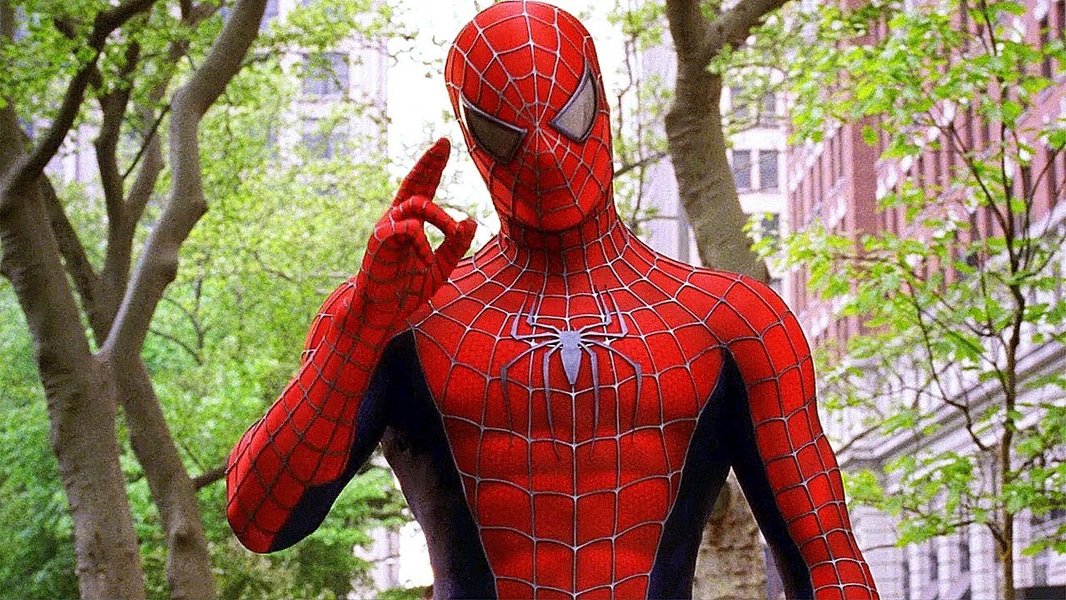
Peter Parker's famous "Pizza Time" struggles visually convey his difficulties balancing everyday life with superhero duties.
Introducing the Conflict: The Birth of Doc Ock
The introduction of Dr. Otto Octavius (Alfred Molina) and his transformation into Doctor Octopus also requires exposition. We learn about his groundbreaking fusion power project, his mentorship relationship with Peter, and the tragic accident fueled by hubris that fuses sentient mechanical arms to his body. This backstory isn't delivered through lengthy monologues but through integrated scenes: the initial presentation of his experiment, the catastrophic failure, and the subsequent psychological fallout. This exposition establishes Doc Ock not just as a physical threat, but a tragic figure, mirroring Peter's own themes of power and responsibility.
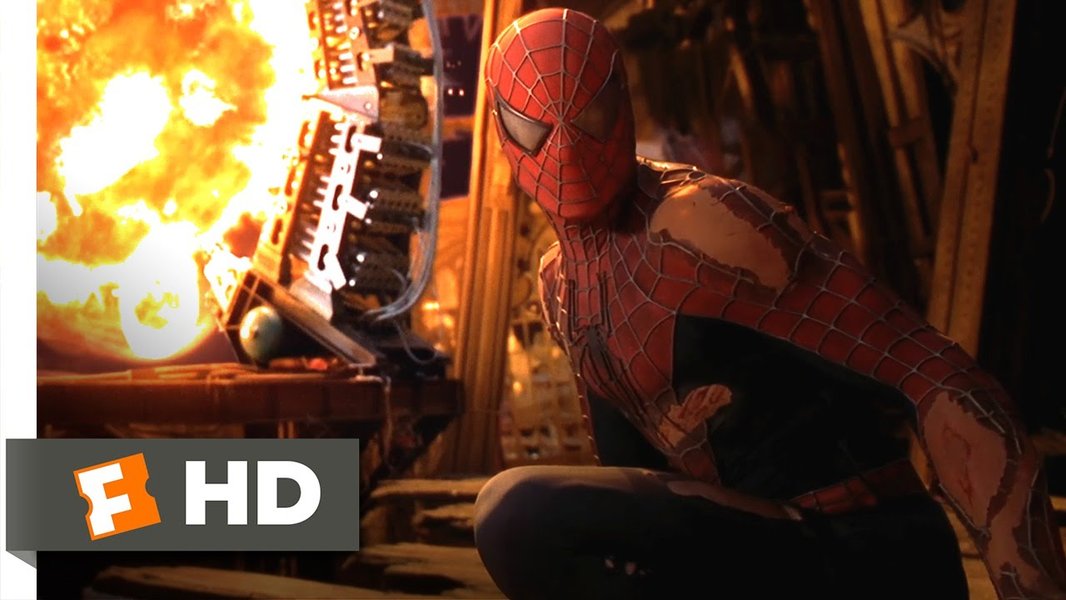
Doctor Octopus's tragic origins are efficiently established, making his conflict with Spider-Man more compelling.
Quality Over Quantity: Why the Exposition Works
The key reason *Spider-Man 2* avoids the pitfalls of "bad" exposition lies in *how* it delivers information. Instead of pausing the story for info-dumps, it weaves necessary details into the fabric of the narrative itself.
Seamless Integration
Show, Don't Just Tell
Raimi uses visual storytelling and character actions to convey much of the exposition. Peter's exhaustion, his failing grades, his strained relationships – these are shown through his interactions and environment. When Peter temporarily loses his powers, his relief and subsequent guilt are conveyed through performance and visual cues, making the internal struggle palpable without excessive explanation. This approach respects the audience's intelligence and keeps the pacing brisk.
Character-Driven Narrative
Making Information Matter
The exposition consistently serves character development. Learning about Octavius's dreams and his relationship with his wife makes his fall more poignant. Understanding Peter's guilt over Uncle Ben's death (a carry-over from the first film, briefly touched upon) informs his current dilemma about continuing as Spider-Man. The information provided always deepens our understanding of the characters' motivations and emotional states, making it integral, not supplementary.
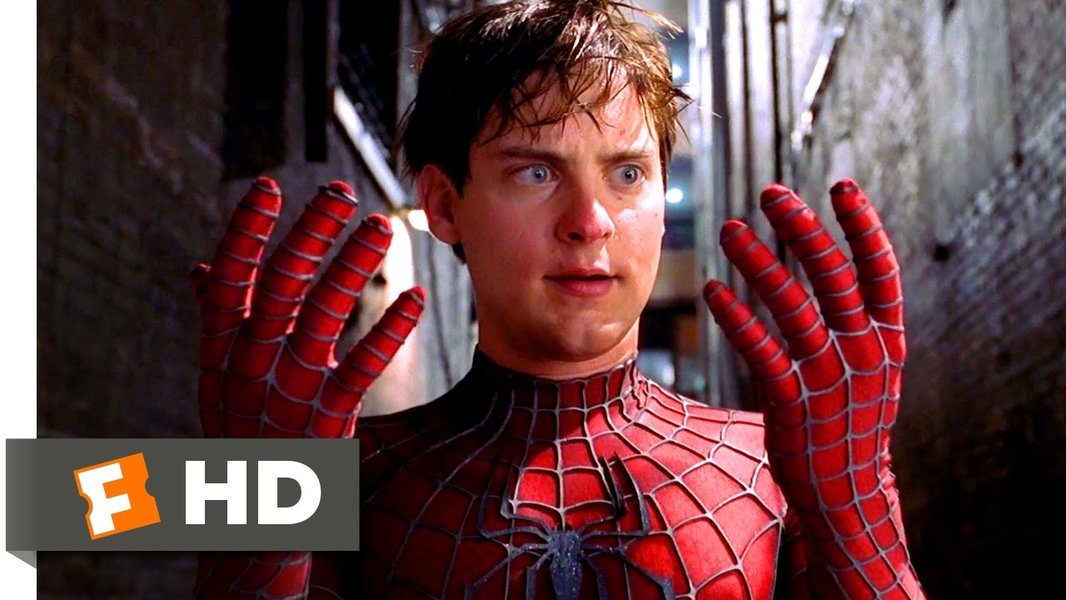
Exposition often takes the form of character moments, like Peter grappling with the loss of his powers.
Emotional Resonance
Connecting with the Audience
Because the exposition is tied directly to the characters' struggles and the film's core themes (responsibility, choice, sacrifice), it carries emotional weight. When Aunt May gives Peter her famous speech about heroism, it functions as exposition (defining what a hero is) but resonates deeply because it stems from her character and addresses Peter's central conflict. This makes the exposition feel earned and impactful, contributing to the film's lasting appeal.
Visualizing Spider-Man 2's Storytelling Strengths
To better understand how different narrative elements contribute to *Spider-Man 2*'s success, including its handling of exposition, consider this analysis. The following radar chart visualizes key aspects of the film's storytelling, rated based on critical consensus. High scores indicate areas where the film excels, demonstrating a balanced and well-crafted narrative where exposition quality is a strength, not a weakness.
As the chart suggests, the film scores exceptionally high across the board, particularly in Character Depth, Emotional Impact, and Thematic Resonance. Crucially, Exposition Quality is also rated highly, indicating it's perceived as a positive element that supports, rather than hinders, these other strengths.
Exposition Done Right vs. Common Pitfalls
Understanding *why* the exposition in *Spider-Man 2* is considered effective requires comparing it to common ways exposition can go wrong. The following table contrasts the film's approach with typical exposition issues found in other narratives:
| Exposition Element | Common Pitfall | Spider-Man 2 (2004) Approach |
|---|---|---|
| Delivery Method | Lengthy info-dumps; characters explaining things they already know. | Integrated into dialogue, action, visual cues, character interactions. Feels natural. |
| Pacing | Stops the plot dead for exposition; feels forced or boring. | Woven seamlessly; maintains narrative momentum and emotional engagement. |
| Relevance | Provides unnecessary details or backstory not crucial to the plot/characters. | Directly serves character arcs, plot progression, and thematic depth. Always purposeful. |
| Character Impact | Characters act as mouthpieces for information; exposition feels inorganic. | Deepens understanding of character motivations, struggles, and relationships. Enhances empathy. |
| Audience Engagement | Treats audience as needing explicit explanations; can feel condescending. | Respects audience intelligence; uses subtlety and "show, don't tell." Enhances immersion. |
Mapping the Elements of Success
The effective handling of exposition is just one piece of the puzzle. It works in concert with other strong narrative components. This mindmap illustrates how various elements, including well-managed exposition, contribute to the overall success and enduring legacy of *Spider-Man 2*.
This mindmap highlights that the film's strengths are interconnected. The well-handled exposition (id4) directly supports Peter's journey (id1), Doc Ock's arc (id2), and the thematic core (id3), contributing to a cohesive and powerful story.
Understanding Peter Parker: A Deeper Dive
Many video essays explore the nuances that make *Spider-Man 2* a standout film. The video below provides an insightful analysis of Peter Parker's character arc and how the film masterfully portrays his internal struggles, which relates directly to how exposition is used to build character depth rather than just convey plot points.
This analysis emphasizes the film's focus on the man behind the mask. It showcases how scenes that might contain exposition (like Peter's conversations about his struggles or his decision to quit being Spider-Man) are primarily character moments that explore the psychological weight of being a hero. This reinforces the idea that the exposition serves a higher narrative purpose.
Critical Acclaim vs. Exposition Concerns: The Verdict
So, to directly answer your question: Is *Spider-Man 2* (2004) full of exposition, and is it bad? The overwhelming critical and audience consensus says no. While the film necessarily includes exposition to set up its story and characters, it is not considered excessive. More importantly, the quality of the exposition is widely praised.
- Critics like Roger Ebert lauded its "great story line" and "excellent pacing," suggesting exposition never dragged the film down.
- Retrospectives and analyses consistently highlight its emotional depth and character development, strengths directly supported by well-executed exposition.
- Unlike some other superhero films or even other Spider-Man adaptations (*The Amazing Spider-Man 2* or the *Marvel's Spider-Man 2* video game are sometimes cited for exposition issues), Raimi's *Spider-Man 2* is rarely, if ever, criticized for poor or excessive exposition.
Instead, the film is celebrated for its mature storytelling, where exposition serves to enrich the narrative and connect the audience deeply with Peter Parker's journey. It remains a benchmark for how to handle background information effectively in a character-driven blockbuster.
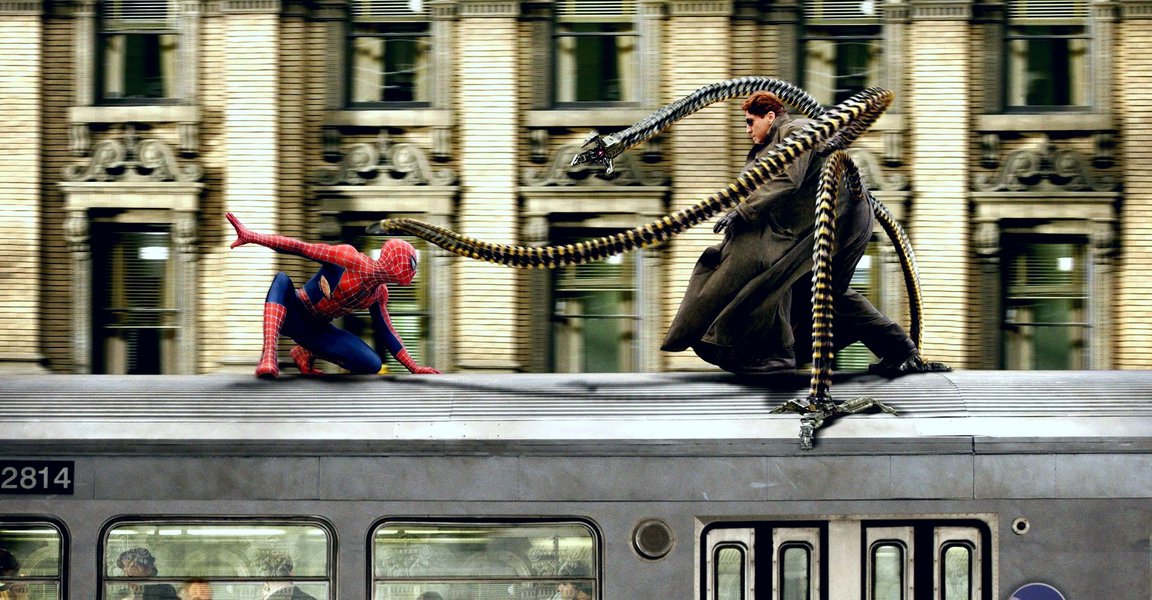
The iconic train scene exemplifies how action, theme, and character (built through prior exposition) converge powerfully.
Frequently Asked Questions
What specific exposition is present in Spider-Man 2 (2004)?
Exposition includes:
- Recaps of Peter Parker's situation: struggling with his dual life, job issues, college difficulties, and his feelings for Mary Jane.
- Background on Dr. Otto Octavius: his scientific ambitions, relationship with his wife, the nature of his fusion experiment, and the accident that creates Doc Ock.
- Brief reminders of Peter's origin story context and the theme of responsibility stemming from Uncle Ben's death.
- Establishment of Harry Osborn's growing vendetta against Spider-Man.
Why isn't the exposition considered "bad"?
It's considered good because it's:
- Organic: Woven naturally into conversations, actions, and visual storytelling.
- Purposeful: Every piece of information serves to advance the plot, develop characters, or deepen themes.
- Character-Focused: It reveals motivations, internal conflicts, and relationships, enhancing emotional investment.
- Efficient: It conveys necessary information without halting the film's pace or becoming boring.
- Emotionally Resonant: It connects the audience to the stakes and the characters' journeys.
How does Spider-Man 2's exposition compare to other superhero films?
*Spider-Man 2* is often held up as a positive example compared to films sometimes criticized for clunky or excessive exposition. While many superhero films rely on "info-dumps" or lengthy origin explanations, *Spider-Man 2* demonstrates how to integrate background information smoothly into a compelling, character-driven story, maintaining both narrative flow and emotional depth.
Were there *any* criticisms related to its storytelling?
While overwhelmingly positive, some minor, infrequent critiques might suggest certain emotional beats could feel slightly rushed amidst the action, potentially leaving some character moments feeling underexplained for certain viewers. However, these are not widespread opinions, and the consensus remains that the storytelling, including exposition, is a major strength.
Recommended Reading
- Explore the character development across Sam Raimi's entire Spider-Man trilogy.
- Compare the portrayal of Doctor Octopus in the film to his comic book origins.
- Discover the filmmaking techniques that make the train sequence in Spider-Man 2 so memorable.
- Investigate how themes of responsibility and sacrifice are explored across different Spider-Man movies.
References
 plentyofpopcorn.wordpress.com
 elvingsmusings.wordpress.com
Last updated May 5, 2025