
Unlocking the Secrets of "Parafuso": A Comprehensive Guide to Screws
Dive into the diverse world of screws, from their fundamental types to their specialized applications in construction and DIY projects.
Key Highlights of Screw Selection and Usage
- Understanding Screw Types: Learn about the various types of screws, including wood screws, machine screws, construction screws, and more, each designed for specific materials and applications.
- Importance of Material and Coating: Discover how the material (e.g., stainless steel, zinc) and coating of a screw affect its durability, resistance to corrosion, and suitability for different environments.
- Proper Screw Usage: Gain insights into selecting the right screw size, head type, and drive type for your project to ensure secure and effective fastening.
What is a "Parafuso"? Understanding Screws in Construction and DIY
The term "parafuso" translates to "screw" in Portuguese. Screws are essential fasteners used in a wide array of applications, from simple home repairs to complex construction projects. They are designed to hold materials together securely by creating a strong, threaded connection. Choosing the right screw is crucial for ensuring the stability and longevity of any project.
The Fundamental Role of Screws
Screws are ubiquitous in construction and DIY because of their ability to create strong and reliable connections. Unlike nails, which rely on friction to hold materials together, screws use threads to grip the material, providing superior holding power. This makes them ideal for applications where stability and durability are critical.
Historical Context and Modern Advancements
Centuries ago, the selection of screws was limited. Today, the construction industry utilizes numerous types of screws, each engineered for specific tasks. Using the correct screw can significantly impact the quality and longevity of a project. Modern screws, such as Spax and GRK construction screws, are engineered for enhanced performance, making them indispensable for various applications. These screws often eliminate the need for pilot holes and resist shearing, even when used in hard, old lumber.
Navigating the Different Types of Screws
Screws come in various shapes, sizes, and materials, each designed for a specific purpose. Understanding these differences is essential for selecting the right screw for your project.
Wood Screws: The Backbone of Woodworking
Wood screws are designed to join pieces of wood together. They feature coarse threads that grip the wood securely. The shank, located just under the head, is often smooth, allowing for tighter connections. This design ensures that the screw does not force the head deeper into the board as it is tightened.
MDF Screws
Medium Density Fiberboard (MDF) is commonly used for interior trim and shelving. Because MDF is denser than solid wood, it is prone to splitting when using regular wood screws. To avoid this, you can either drill pilot holes or use self-tapping MDF screws, which are specifically designed to pierce MDF without causing it to split.
Machine Screws: Precision Fasteners for Metal and Plastic
Machine screws are used to connect metal to metal or metal to plastic. Unlike wood screws, machine screws do not have a pointed tip. Instead, they are designed to be screwed into pre-drilled holes with matching threads. In some cases, a nut may be required to keep the screw in place. Machine screws are commonly used in home construction for installing electrical components.
Construction Screws: Heavy-Duty Fasteners for Structural Integrity
Construction screws, also known as structural screws, are designed for heavy-duty applications where a strong and secure connection is essential. They are commonly used in building frames, roofs, walls, and other structural components. These screws are typically larger in diameter and longer than traditional screws, allowing them to create a more robust connection.
Structural Screw Properties
Structural screws are engineered to withstand significant force, with some capable of handling up to 400 pounds. They are often made from high-strength materials like galvanized steel and may feature coatings such as zinc for added durability. These screws can often replace lag bolts, reducing installation time and effort.
Deck Screws: Weather-Resistant Fasteners for Outdoor Projects
Deck screws are specifically designed for outdoor projects. They are made from materials like stainless steel or bronze and are coated to resist rust and corrosion. This ensures that they can withstand exposure to varying weather conditions without degrading.
Other Types of Screws
Beyond the common types, there are many other specialized screws designed for specific applications:
- Drywall Screws: Used for hanging drywall. They are inexpensive but can snap if overtorqued or driven into hard lumber.
- Timber Screws: Used as an alternative to lag screws, offering coarse threads and greater strength for structural construction.
- Pocket Hole Screws: Designed for pocket hole applications to prevent wood splitting at the joint.
- Masonry Screws: Used for fastening wood or other fixtures into concrete, bricks, and blocks.
- Collated Screws: Designed for use with collated screw guns, offering speed and reliability in various construction applications.
Choosing the Right Screw Head and Drive Type
The screw head is where force is applied during installation, and the drive type refers to the shape of the indentation that accepts the driving tool. Selecting the right head and drive type is crucial for effective fastening.
Common Screw Head Types
- Flat Head: Designed to sit flush with the surface of the material. Ideal for applications where a smooth, finished look is desired.
- Pan Head: Offers a larger, flat bearing surface compared to flat heads. Commonly used in decorative applications.
- Oval Head: Similar to pan heads but designed for use in countersunk holes to sit flush with the surface. Features a round, raised decorative head.
- Hex Head: Features a hexagonal shape and is installed using Allen wrenches. Best suited for applications where screws may need to be removed and reassembled.
- Robertson (Square) Head: Features a square-shaped indentation and requires a matching driver head. Popular in Canada and often used in boat building due to its resistance to slipping.
Screw Drive Types
- Phillips: Features an X-shaped head. Compatible with Pozidriv and Supadriv screwdrivers, but there is a risk of damaging the head if the fit is not exact.
- Slotted: Features a single slot in the head. Simple but less efficient than other drive types.
- Torx: Features a star-shaped indentation. Provides higher torque levels and reduces cam-out (slipping of the driver).
Materials and Coatings: Enhancing Screw Performance
The material and coating of a screw play a significant role in its durability, corrosion resistance, and overall performance.
Common Screw Materials
- Stainless Steel: Offers excellent corrosion resistance, making it ideal for outdoor and marine applications.
- Carbon Steel: Strong and durable, but prone to corrosion if not coated.
- Brass: Offers good corrosion resistance and is often used in decorative applications.
- Aluminum: Lightweight and corrosion-resistant, but not as strong as steel.
Protective Coatings
-
Zinc: Provides good corrosion resistance and is commonly used on construction screws.
-
Galvanized: Offers excellent corrosion resistance, making it suitable for outdoor applications.
-
Black Oxide: Provides mild corrosion resistance and is often used for aesthetic purposes.
Visual Guide to Screw Types and Applications
Understanding the visual differences between screw types can aid in selecting the appropriate fastener for a given task. The images below showcase various screws, highlighting their unique features and intended uses.

Bolts
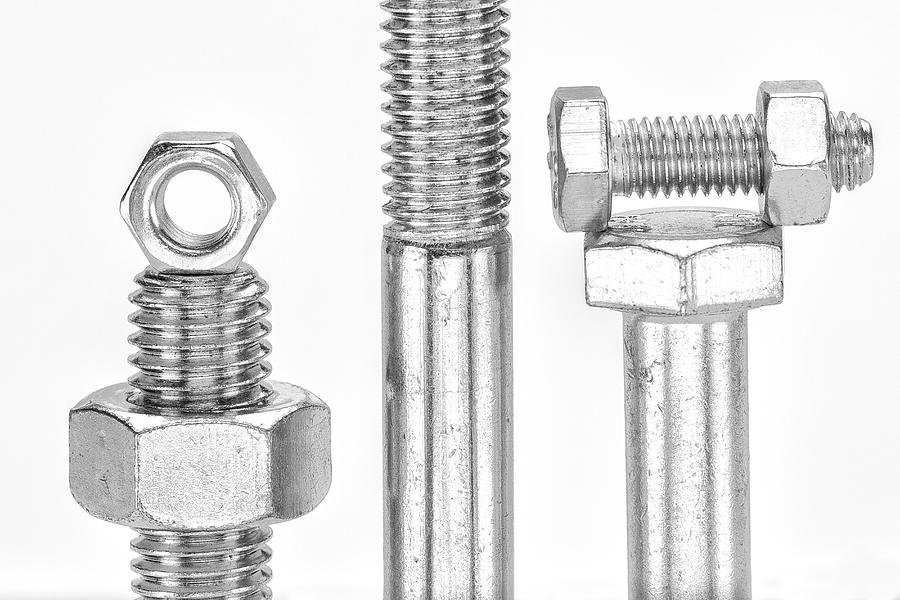
Nuts and Bolts
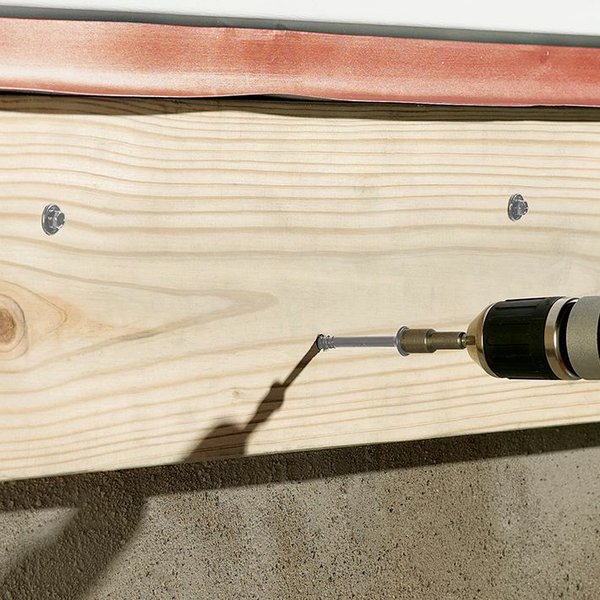
Structural Screws for Ledger Boards
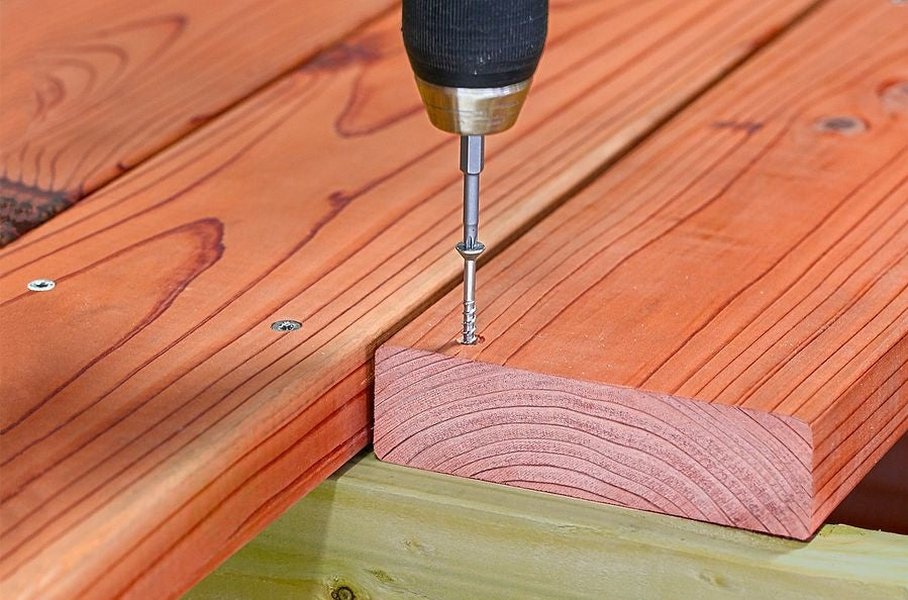
Wood Screws

Exterior Deck Screws for Treated Lumber

Wood Screws Basics

Can Chipboard Screws Be Used in Wood?

Hillman Particle Board Screws
These images demonstrate the variety of screws available, each optimized for specific applications ranging from structural support to cosmetic finishing. When selecting screws, consider the material, environment, and load requirements to ensure optimal performance and longevity.
Table of Screw Types and Their Applications
To further clarify the uses of different screw types, the following table provides a concise overview of common screws and their typical applications.
| Screw Type | Material | Common Applications | Key Features |
|---|---|---|---|
| Wood Screws | Steel, Brass | Woodworking, Furniture Assembly | Coarse threads, Smooth shank |
| Machine Screws | Steel, Stainless Steel | Metal to Metal Connections, Electrical Components | Fine threads, Flat tip |
| Construction Screws | Hardened Steel | Structural Framing, Decking | High strength, Coated for durability |
| Deck Screws | Stainless Steel, Bronze | Outdoor Decks, Fences | Corrosion-resistant coating |
| Drywall Screws | Steel | Drywall Installation | Sharp point, Bugle head |
| Self-Tapping Screws | Steel | Sheet Metal, Plastic | Sharp point, Creates own threads |
| Masonry Screws | Steel | Concrete, Brick | Hardened, Threaded for masonry |
Video: Selecting the Right Screw for Your Project
This video offers practical guidance on choosing the appropriate screw for various DIY and construction tasks. It emphasizes the importance of considering material types, load requirements, and environmental conditions to ensure a secure and lasting connection.
Video: What are the Different Types of Screws & When To Use Them!!
This video provides a beginner's guide to understanding and selecting different types of screws for various applications. It covers wood screws, sheet metal screws, drywall screws, self-drilling screws, and concrete screws, explaining when and how to use each type effectively.
Frequently Asked Questions About Screws
References
Last updated April 10, 2025