
AI in Construction
Revolutionizing Project Planning, Safety, and Efficiency in Construction
Key Highlights
- Enhanced Project Planning and Design: AI integrates with BIM to optimize designs and manage scheduling, ensuring efficient execution.
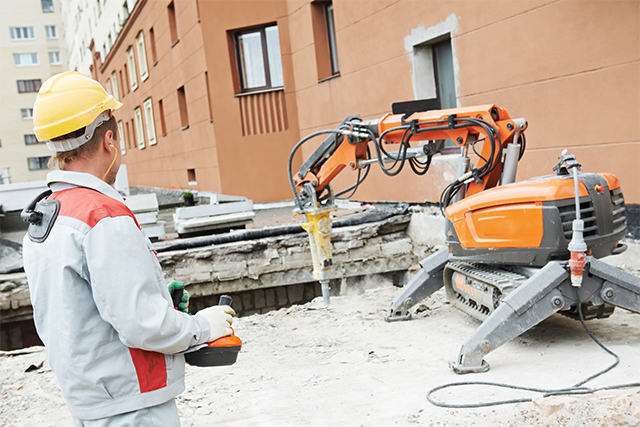
- Automation and Safety: From autonomous machinery to computer vision for real-time hazard detection, AI enhances onsite safety and streamlines operations.
- Sustainability and Resource Efficiency: AI drives sustainability by optimizing resource use and reducing waste, while also aiding predictive maintenance and quality control.
Introduction
The construction industry is undergoing a radical transformation, largely driven by the integration of artificial intelligence (AI) into diverse aspects of project execution. In 2025, AI is not simply a futuristic concept but a practical tool that reshapes how projects are planned, designed, managed, and executed. From aiding smaller firms in optimizing their workflows to enabling major construction companies to harness sophisticated data analytics for forecasting and risk management, AI is playing a pivotal role in addressing traditional industry challenges.
This comprehensive analysis explores the multidimensional impact of AI in construction. It covers its applications across project planning, safety, automation, cost estimation, and sustainable practices. Furthermore, we delve into the challenges faced during adoption, the evolution of technology integration, and the promising future that AI holds for the industry.
The Transformative Impact of AI
1. Enhanced Project Planning and Design
One of the primary benefits of AI in construction is its ability to revolutionize project planning and design. AI-powered algorithms can analyze extensive datasets to optimize building layouts, predict scheduling hurdles, and estimate costs with far greater precision than traditional methods. The incorporation of Building Information Modeling (BIM) with AI allows for real-time integration of various project facets:
Data-Driven Design Optimization
AI algorithms use historical project data to generate optimized designs that are structurally efficient and cost-effective. This method leads to better resource allocation and reduced risk of errors. Machine learning models sift through large volumes of design parameters to simulate various scenarios, which helps architects and engineers in making informed decisions.
Predictive Scheduling and Cost Forecasting
By integrating AI with scheduling tools, construction teams can predict potential delays and identify cost-saving measures before problems arise. In essence, AI assists in creating a dynamic project plan that adapts to real-time variables, from weather changes to supply chain fluctuations.
2. Automation and Robotics on Construction Sites
AI’s integration with robotic systems and autonomous machinery is profoundly changing how construction sites operate daily. Autonomous equipment not only reduces the need for manual labor in dangerous tasks but also improves accuracy and efficiency:
Autonomous Machinery
Drones and robotic systems are increasingly deployed for surveying, site inspections, materials transport, and even direct construction tasks like bricklaying and welding. This robotic intervention decreases human error and accelerates the pace of construction while minimizing exposure to hazardous conditions.
Real-Time Monitoring with Computer Vision
Computer vision technologies, integrated with AI, continuously monitor construction sites via live video feeds. This approach leads to immediate identification of unsafe practices or potential hazards. For instance, workers not adhering to protective gear requirements can be instantly flagged, and machinery operating outside safe parameters can be automatically adjusted.
3. Quality Control and Defect Detection
Ensuring quality throughout the construction process remains a significant challenge. AI techniques, including advanced imaging and sensor-based data analytics, have emerged as vital tools in quality control:
Automated Inspections
Rather than relying solely on human inspection, AI systems deploy cameras and sensors to detect defects and inconsistencies in real time. These systems compare live data against predefined quality benchmarks, thereby increasing the precision of defect detections and minimizing costly reworks.
Predictive Maintenance
Predictive maintenance tools leverage AI to analyze sensor data from construction equipment, forecasting potential failures before they occur. This preemptive action reduces downtime significantly and extends the life of expensive machines, contributing to overall project efficiency.
4. Streamlined Supply Chain and Resource Allocation
The construction supply chain is complex and multifaceted, requiring precise coordination to ensure timely delivery of materials. AI technologies have emerged as key enablers in optimizing resource management:
Optimized Inventory Management
AI-driven analytics facilitate smarter predictions of material requirements. This leads to efficient inventory management, minimizes waste, and helps maintain a smooth supply chain flow. Companies can dynamically adjust procurement practices based on project phase and real-time consumption data.
Real-Time Resource Tracking
Incorporating IoT sensors with AI tools provides a real-time overview of on-site resource usage. This integration aids decision-makers in managing logistics by ensuring materials are delivered exactly when needed, thereby reducing delays and increasing operational efficiency.
5. Enhancing Sustainability and Efficiency
The construction industry is under pressure to adopt sustainable practices, and AI offers innovative solutions to address this demand. By leveraging AI, companies can significantly reduce the environmental footprint of their projects:
Energy Optimization and Waste Reduction
AI algorithms are proficient in optimizing building performance by analyzing energy consumption patterns. This capability supports sustainable design practices, where waste reduction and efficient resource usage are paramount. AI can also simulate environmental impacts during the planning phase, ensuring that projects contribute to sustainability goals.
Integration with Sustainable Technologies
In many cases, AI is integrated with emerging technologies such as Extended Reality (XR) and IoT to create a comprehensive ecosystem that promotes sustainability. Together, these technologies provide real-time feedback for energy usage, material waste, and overall environmental impact, enabling more responsible construction practices.
6. Improved Financial Forecasting and Bid Management
Accurate financial forecasting and efficient bid management are critical to a project's success. AI is transforming these areas by offering tools that automate and enhance cost estimation:
Cost Estimation Accuracy
Historical data and machine learning models enable AI systems to generate precise cost estimations. These enhanced forecasts help avoid budget overruns by identifying potential financial risks early in the project lifecycle.
Automated Bid Document Generation
AI software can quickly assemble detailed bid documents that account for diverse project challenges. Automation in this domain leads to faster turnaround times and more competitive bidding processes, which ultimately benefit the overall success rate of projects.
7. Challenges and Future Considerations
While the benefits of AI in construction are extensive, several challenges need to be addressed to ensure seamless integration:
Data Quality and Integration Issues
Successful AI implementation relies on access to high-quality, comprehensive data. Inconsistent data and integration issues with traditional systems can hinder the effectiveness of AI applications. The transition from paper-based or legacy systems to AI-driven processes requires significant training, investment, and an overhaul of existing workflows.
Cybersecurity Concerns
With the increased digitalization of construction processes, the risk of cybersecurity threats becomes more pronounced. AI systems handling sensitive project and financial data must incorporate robust security measures to avert data breaches and maintain confidentiality.
Workforce Transition and Upskilling
Integrating AI technologies into the construction sector also demands a strategic focus on workforce development. As automated systems take over routine tasks, there is a pressing need for upskilling workers to manage and operate advanced technologies effectively. This shift calls for comprehensive training programs that can facilitate a smooth transition while addressing concerns related to job displacement.
Despite these challenges, the trajectory of AI in construction remains overwhelmingly positive. Agencies and companies that invest in AI-driven technologies are better positioned to tackle the intricate challenges of modern construction activities, ultimately fostering improved productivity, safety, and sustainability.
Current Trends and Market Growth in AI-Driven Construction
The market for AI in construction has witnessed impressive growth, with forecasts indicating substantial increases in investments in the coming years. Early adoption by pioneering companies has spurred further innovation, allowing AI technologies to mature and integrate into every stage of the construction process.
Recent market analyses reveal that AI in construction is expected to maintain a compound annual growth rate (CAGR) that positions it as a major driver of industry evolution. Many experts predict that a significant portion of construction work could soon be automated, reducing labor-intensive processes and enabling managers to focus on strategic decision-making. AI solutions are not only designed to meet current demands but also to adapt to future challenges such as labor shortages, evolving regulatory requirements, and increased focus on sustainability.
Table: AI Applications and Impacts in Construction
| Application Area | AI-Driven Impact | Key Benefits |
|---|---|---|
| Project Planning & Design | Data analytics for optimized designs, scheduling & cost forecasting | Improved accuracy, reduced delays, cost efficiency |
| Site Automation & Robotics | Autonomous machinery, drones for surveying, computer vision for safety | Enhanced safety, reduced labor risk, higher efficiency |
| Quality Control | Real-time defect detection, automated inspections | Higher construction quality, reduced rework costs |
| Supply Chain Optimization | Predictive analytics on inventory and logistics | Minimized waste, timely delivery, reduced project delays |
| Sustainability | Energy optimization, waste reduction via simulation models | Eco-friendly construction, reduced environmental footprint |
| Financial Forecasting | Automated bid documentation, accurate cost estimation | Better budgeting, competitive pricing, risk mitigation |
The Future Outlook of AI in Construction
Looking forward, the scope of AI in the construction industry is set to widen even further. The synergistic combination of AI and emerging technologies like Extended Reality (XR), the Internet of Things (IoT), and advanced robotics paves the way for smarter and more responsive construction practices. The continuous feedback loops provided by AI analytics and real-time monitoring systems ensure that construction projects not only meet current standards but are also prepared to adapt to future technological advancements and market conditions.
In the coming years, several trends are expected to define the next generation of construction processes:
Increased Integration of Digital Twins
Digital twins—virtual replicas of physical buildings and infrastructure—paired with AI analytics will enable more precise monitoring and maintenance. These systems will allow construction managers to simulate the impact of changes in design or environmental conditions, aiding in proactive decision-making.
Greater Automation Across All Phases
Beyond merely facilitating project planning and equipment maintenance, AI will extend its reach to quality assurance, bid management, and even workforce scheduling. The more tasks that can be automated, the more human resources will be freed to concentrate on innovation and problem-solving.
Evolution of Workforce Skill Sets
As AI technologies become commonplace, there will be an increasing demand for a workforce skilled in managing and operating these advanced systems. Continuous education and training programs will be critical to ensuring that workers can seamlessly transition into an AI-driven environment, resulting in improved safety, efficiency, and job satisfaction.
Ultimately, the future of AI in construction not only promises enhanced operational processes but also sets the stage for a holistic transformation of the industry. This transformation will be characterized by innovative solutions that balance technology with the human element, ensuring that the sector remains resilient, adaptable, and forward-thinking.
Conclusion
In summary, AI's transformative impact on the construction industry is both wide-ranging and profound. Through its integration in project planning, design, site automation, quality control, and cost management, AI is streamlining processes that were once cumbersome and error-prone. The technology enables real-time monitoring, predictive analytics, and efficient resource management, all of which lead to safer and more sustainable construction practices.
While challenges such as data quality, cybersecurity, and workforce adaptation need to be successfully mitigated, the benefits far outweigh these hurdles. Looking to the future, AI's continued evolution in conjunction with other emerging technologies promises a new era of automation and efficiency that will fundamentally reshape how construction projects are conceptualized and executed. The journey toward a smarter, safer, and more sustainable construction environment is well underway, and AI stands at the forefront of this revolution.
References
-
Top 2025 AI Construction Trends: According to the Experts - Autodesk
- The AI-Powered Future of Construction A 2025 Perspective - LinkedIn
- The AI arms race is on for builders in 2025 - Construction Dive
- Construction Generative AI in 2025 - Civils.ai
- The Rise of Artificial Intelligence in Construction - Construction Today
- 2025 Predictions: Embrace AI to Create a Safer, More Efficient Construction Industry - ENR
Recommended
Last updated February 20, 2025