
Unveiling the Secrets of Haddock: Insights into Their Form and Function
Exploring the intricate morphology and complex ecology of *Melanogrammus aeglefinus* through scientific research.
The haddock (*Melanogrammus aeglefinus*), a commercially significant demersal fish of the North Atlantic, has been the focus of extensive scientific inquiry. Researchers delve into its physical characteristics (morphology) and its interactions with the environment (ecology) to understand its life cycle, population dynamics, and response to environmental changes and fishing pressures. This overview synthesizes key findings from various studies.
Research Highlights
- Morphological Adaptations: Haddock exhibit distinct morphological features from larval stages (like digestive tract development and gape size changes) to adulthood (body shape influencing fishery selectivity), shaped by genetics and environment.
- Ecological Drivers: Distribution and abundance are driven by factors like water temperature, depth, substrate type, population density, and climate warming, leading to observable range shifts and habitat selection patterns.
- Early Life Vulnerability: Research emphasizes the critical nature of early life stages, examining egg buoyancy, larval distribution, swimming behavior, magnetic sense, and susceptibility to environmental stressors like pollution.
Delving into Haddock Morphology
From Microscopic Beginnings to Adult Form
Haddock morphology encompasses the study of their physical structure, development, and the variations observed within the species. Understanding these aspects is crucial for comprehending their feeding habits, predator avoidance, habitat utilization, and interactions with fishing gear.
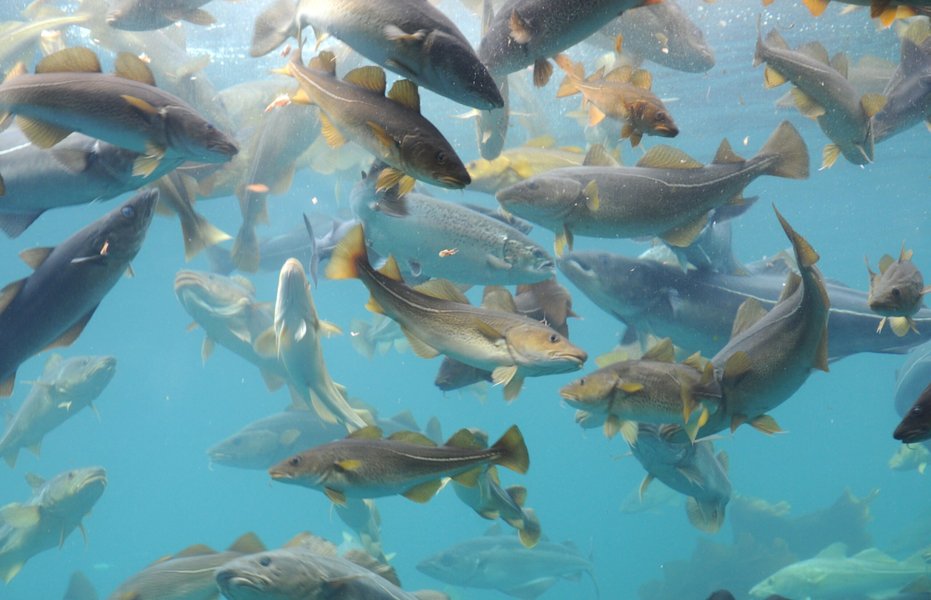
Adult Haddock (*Melanogrammus aeglefinus*) showcasing its characteristic dark lateral line and shoulder blotch.
Larval Development: A Critical Phase
Research extensively covers the morphological changes during haddock's early life stages.
- Digestive System Ontogeny: Studies detail the histological and morphological development of the digestive tract. At hatching, the esophagus lacks protective goblet cells, and the intestine is a simple tube. The liver becomes distinct around 2 days post-hatch (dph). These developmental sequences coincide with shifts from yolk-sac reliance to external feeding and habitat transitions (pelagic to demersal). The initial absence of mucus protection in the esophagus highlights a period of vulnerability to abrasion from ingested prey.
- Gape Morphology: The size and shape of the mouth (gape) change significantly during metamorphosis. Research provides relationships to predict gape size based on standard length or upper jaw length in larvae and juveniles (up to 70 mm). These changes enable shifts in prey size and type, impacting feeding efficiency and growth.
- Swim Bladder: The development and inflation of the swim bladder, crucial for buoyancy control, have also been studied as a key morphological feature in haddock larvae.
Adult Morphology and Variation
Adult haddock possess a streamlined body adapted for demersal life. Distinctive features include a dark grey-brown to black dorsal side, silvery-white underside, a continuous black lateral line, and a characteristic dark blotch (often called the "thumbprint" or "Devil's thumbprint") above the pectoral fin.
- Body Shape and Fisheries Selectivity: Studies investigate how variations in body dimensions (e.g., head girth, height, width relative to length) affect how haddock interact with fishing gear. Between-individual morphological differences significantly influence size selection in trawl nets, particularly in diamond mesh codends. Understanding these relationships is vital for sustainable fisheries management, aiming to minimize the capture of juvenile fish. Ratios like head girth to length (around 0.47) are key parameters in selectivity models.
- Otolith Shape Analysis: The shape of otoliths (ear bones) varies between haddock populations and can be used as a morphological marker for stock identification, helping to differentiate groups, for instance, on Georges Bank. Otoliths also record growth patterns influenced by environmental conditions.
- Genetic Influences: Genomic studies reveal aspects of haddock morphology linked to their evolutionary history, such as the number of *MHCI* gene copies compared to related species like cod, which relates to immune function and adaptation.
Environmental Impacts on Morphology
Environmental factors can significantly alter haddock morphology, especially during development. Exposure to pollutants, such as crude oil hydrocarbons, during larval stages can cause ontogeny-specific skeletal deformities, including altered ossification patterns, compressed branchial arches, and delayed jaw development. These morphological changes can have long-term consequences for growth, survival, and overall fitness.
Understanding Haddock Ecology
Habitat, Behavior, and Interactions
Haddock ecology explores how these fish interact with their environment, including their habitat preferences, distribution patterns, feeding habits, reproductive strategies, and responses to changing conditions.
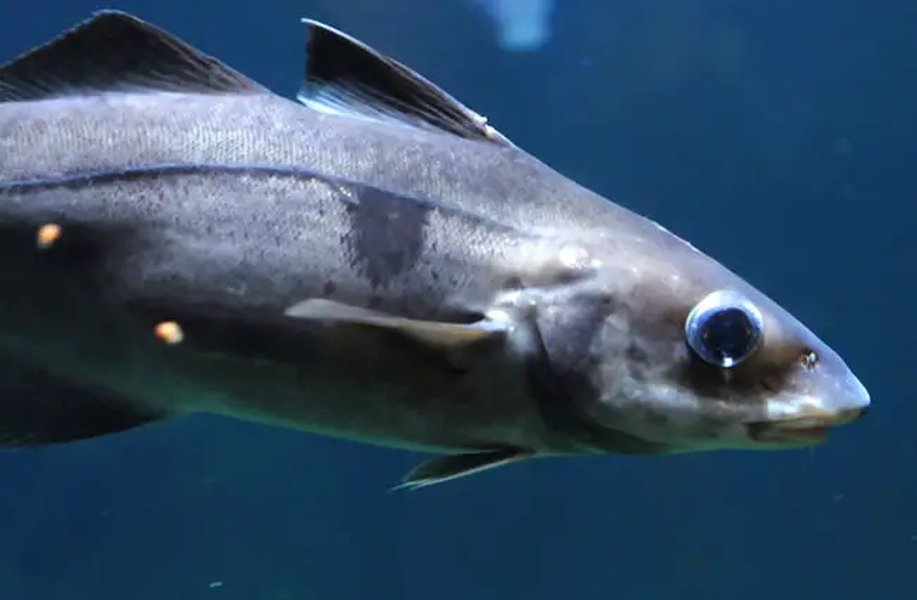
Haddock prefer cool, deep waters near the seabed.
Habitat and Distribution
- Preferred Conditions: Adult haddock are typically demersal, found on the continental shelf and upper slope, often at depths between 40-300 meters (commonly 80-200m). They favor substrates like gravel, sand, shells, or rock and prefer relatively cold water temperatures, generally between 4°C and 10°C.
- Juvenile Habitats: Juvenile haddock exhibit strong preferences for specific sediment types, such as gravel or pebbles on Georges Bank, which likely offer shelter and foraging opportunities. Bottom currents also influence their distribution.
- Spatial Dynamics: Haddock undertake seasonal migrations, and their spatial distribution is influenced by multiple factors. Research indicates significant range expansion in areas like Georges Bank over recent decades. Both density-dependent habitat selection (where high population density pushes fish into less ideal habitats) and warming ocean temperatures are identified as key drivers shaping current distribution patterns.
Early Life Ecology
- Eggs and Larvae: Haddock spawn in offshore waters. Their eggs are buoyant and pelagic, typically found in the upper 50 meters. Egg depth distribution changes with development (affecting density) and is influenced by wave action. Oceanographic features like eddies and gyres can lead to the retention of eggs and larvae in specific areas, such as Rockall Bank, the Gulf of Maine, Georges Bank, and the Scotian Shelf, impacting recruitment success.
- Larval Behavior: Haddock larvae exhibit specific swimming behaviors. Studies have measured routine swimming speeds (e.g., 1-1.5 cm/s for 25 dph larvae in labs). Exposure to stressors like low concentrations of oil has been shown to reduce these swimming speeds, potentially affecting dispersal and survival. Intriguingly, research suggests Atlantic haddock larvae possess a magnetic sense, implying geomagnetism might play a role in their orientation or navigation.
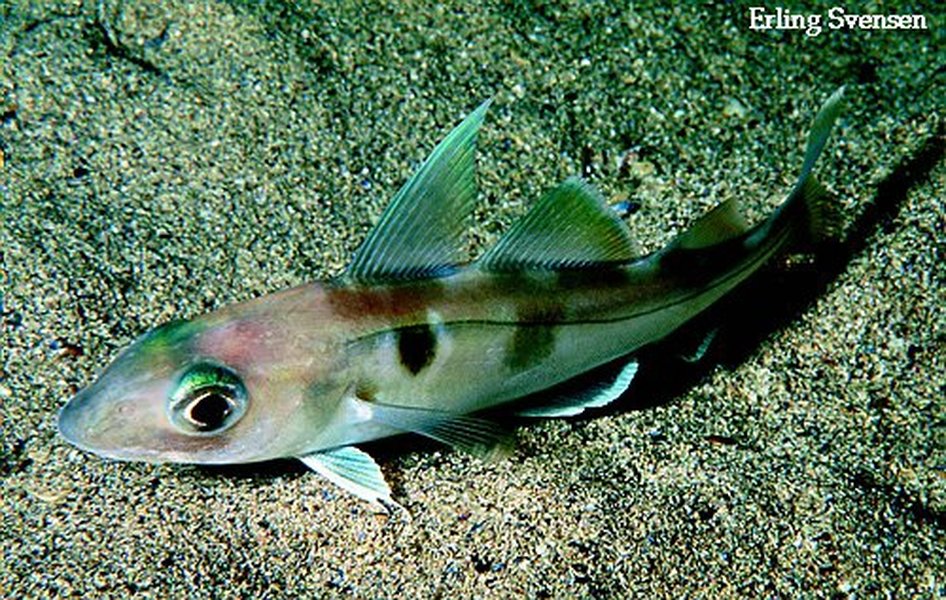
Illustration highlighting the key external features of a haddock.
Population Dynamics and Genetics
- Stock Structure: Genetic studies, often using SNPs (single-nucleotide polymorphisms), investigate population structure and connectivity. Findings sometimes reveal finer-scale population subdivisions linked to specific spawning grounds (e.g., North Sea, Iceland) than are currently recognized in management units, highlighting the importance of integrating genetic data into stock assessments. Both morphological and genetic variability are used to define stocks.
- Parental Effects: Research shows that both maternal and paternal contributions significantly influence early life traits in offspring, including larval morphology (like size) and physiological traits (like time to starvation). This genetic variability from parents impacts larval survival under different environmental conditions.
- Growth Factors: Somatic growth in haddock is strongly influenced by density-dependence, meaning growth rates can decrease as population density increases due to competition. Water temperature modifies these effects, generally enhancing growth in warmer seasons but also potentially increasing vulnerability if food is limited or metabolic costs rise.
Ecological Role and Interactions
- Food Web Position: Haddock are important components of North Atlantic marine food webs. They feed primarily on benthic invertebrates (like crustaceans, mollusks, echinoderms) and smaller fish. In turn, they are prey for larger fish (like cod, pollock), seals, and are a major target for commercial fisheries.
- Interspecies Interactions: Haddock can influence other species' populations. For example, predation by haddock on Atlantic herring eggs on Georges Bank has been studied as a factor potentially contributing to shifts in the fish community structure.
Research Focus Areas: A Comparative View
Scientific research on haddock covers a range of morphological and ecological topics. The radar chart below provides a visual representation of the relative emphasis placed on different areas within haddock research, based on the studies discussed. This is an interpretive synthesis rather than a quantitative measure of publications.
This chart suggests a strong focus on habitat/distribution, early life stages, and the link between adult morphology and fisheries interactions, with slightly less emphasis on behavioral ecology compared to other areas, although all aspects receive significant attention.
Mapping Haddock Research Domains
The mindmap below organizes the key areas of research concerning haddock morphology and ecology, providing a structured overview of the scientific landscape.
Research Areas"] Morphology id1["Larval Development"] id1a["Digestive System"] id1b["Gape Size & Jaw"] id1c["Swim Bladder"] id1d["Skeletal Development"] id2["Adult Characteristics"] id2a["Body Shape & Size"] id2b["Coloration & Markings"] id2c["Otolith Shape"] id3["Morphological Variation"] id3a["Fisheries Selectivity"] id3b["Stock Identification"] id3c["Environmental Effects
(e.g., Pollution)"] id4["Genomic Basis"] id4a["Comparative Genomics"] id4b["Immune Genes (MHCI)"] Ecology id5["Habitat & Distribution"] id5a["Depth & Substrate"] id5b["Temperature Preference"] id5c["Juvenile Habitats"] id5d["Spatial Dynamics
(Migration, Range Shifts)"] id5e["Climate Change Impacts"] id6["Early Life Stages"] id6a["Egg Buoyancy & Distribution"] id6b["Larval Retention"] id6c["Larval Behavior
(Swimming, Magnetic Sense)"] id6d["Parental Effects"] id7["Population Dynamics"] id7a["Stock Structure & Genetics"] id7b["Density-Dependence"] id7c["Growth Rates"] id7d["Recruitment Factors"] id8["Community Interactions"] id8a["Feeding Ecology
(Diet)"] id8b["Predator-Prey Relationships"] id8c["Interspecies Competition"] id9["Fisheries Ecology"] id9a["Stock Assessment"] id9b["Gear Interactions"] id9c["Management Implications"]
This map illustrates the interconnectedness of morphological studies (from larvae to adults, including genetic and environmental factors) and ecological investigations (covering habitat, early life, population dynamics, interactions, and fisheries).
Key Morphological Features and Ecological Relevance
Certain morphological traits of haddock are directly linked to their ecological success and interactions. The table below summarizes some key examples highlighted in research:
| Morphological Feature | Description | Ecological Significance | Relevant Research Area |
|---|---|---|---|
| Gape Size (Larvae/Juveniles) | Size of the mouth opening, changes during development. | Determines the size and type of prey that can be consumed, influencing feeding efficiency, growth, and survival. | Larval Morphology, Feeding Ecology |
| Body Shape / Head Dimensions | Overall body profile and ratios of head girth/height/width to length. | Affects swimming efficiency and likelihood of escaping fishing nets (size selectivity). | Adult Morphology, Fisheries Ecology |
| Digestive Tract Development | Maturation of esophagus, stomach, intestine, liver, pancreas post-hatching. | Crucial for transitioning from yolk-sac nutrition to external feeding, impacting early survival and growth. | Larval Morphology, Early Life Ecology |
| Otolith Shape | Unique shape and growth rings of ear bones. | Used to differentiate distinct populations (stock identification) and reconstruct individual growth histories and environmental conditions. | Morphological Variation, Population Ecology |
| Lateral Line & Shoulder Blotch | Distinctive sensory line and dark marking. | Lateral line aids in detecting water movements (prey/predator detection); blotch is a key species identifier, possibly involved in schooling or species recognition. | Adult Morphology, Behavioral Ecology |
| Swim Bladder | Gas-filled organ for buoyancy control. | Allows haddock to maintain position in the water column with minimal energy expenditure, crucial for demersal lifestyle. | Larval & Adult Morphology, Physiology |
Frequently Asked Questions (FAQ)
What makes haddock morphology unique compared to cod?
While related, haddock differ morphologically from cod. Key distinctions include haddock's black lateral line (vs. pale in cod), the prominent dark blotch above the pectoral fin (absent in cod), and a generally smaller mouth and body size. Genomic studies also show differences, such as fewer *MHCI* gene copies in haddock, suggesting distinct evolutionary paths in their immune systems.
How does haddock larval morphology affect their survival?
Larval morphology is critical. The development rate of the digestive system dictates when larvae can effectively switch to external food sources. Gape size limits the prey they can consume. The development of the swim bladder is essential for buoyancy. Furthermore, the initial lack of protective mucus in the esophagus makes early larvae vulnerable to injury from certain types of prey. Environmental factors like pollution can cause skeletal deformities, severely impacting survival.
What are the main ecological factors influencing haddock distribution?
Haddock distribution is primarily influenced by water temperature (preferring 4-10°C), depth (typically 40-300m), and substrate type (gravel, sand, shells). Additionally, population density plays a role (density-dependent habitat selection), as does food availability. Increasingly, warming ocean temperatures are causing shifts in their distribution, leading to range expansions in some areas like Georges Bank.
Does haddock behavior change throughout their life?
Yes, behavior changes significantly. Larvae are initially pelagic and focus on finding food and avoiding predators, potentially using a magnetic sense for orientation. Their swimming ability develops over time. Juveniles settle to the seafloor and exhibit strong habitat selection based on substrate. Adults undertake seasonal migrations related to spawning and feeding. Their feeding behavior shifts from smaller planktonic prey as larvae to benthic invertebrates and fish as adults.
Recommended Further Exploration
- How is climate change affecting haddock migration patterns?
- Can you compare the larval development stages of haddock and cod?
- What does research show about the genetic diversity within North Atlantic haddock populations?
- What is the impact of bottom trawling on haddock habitats and ecology?
References
Last updated April 29, 2025